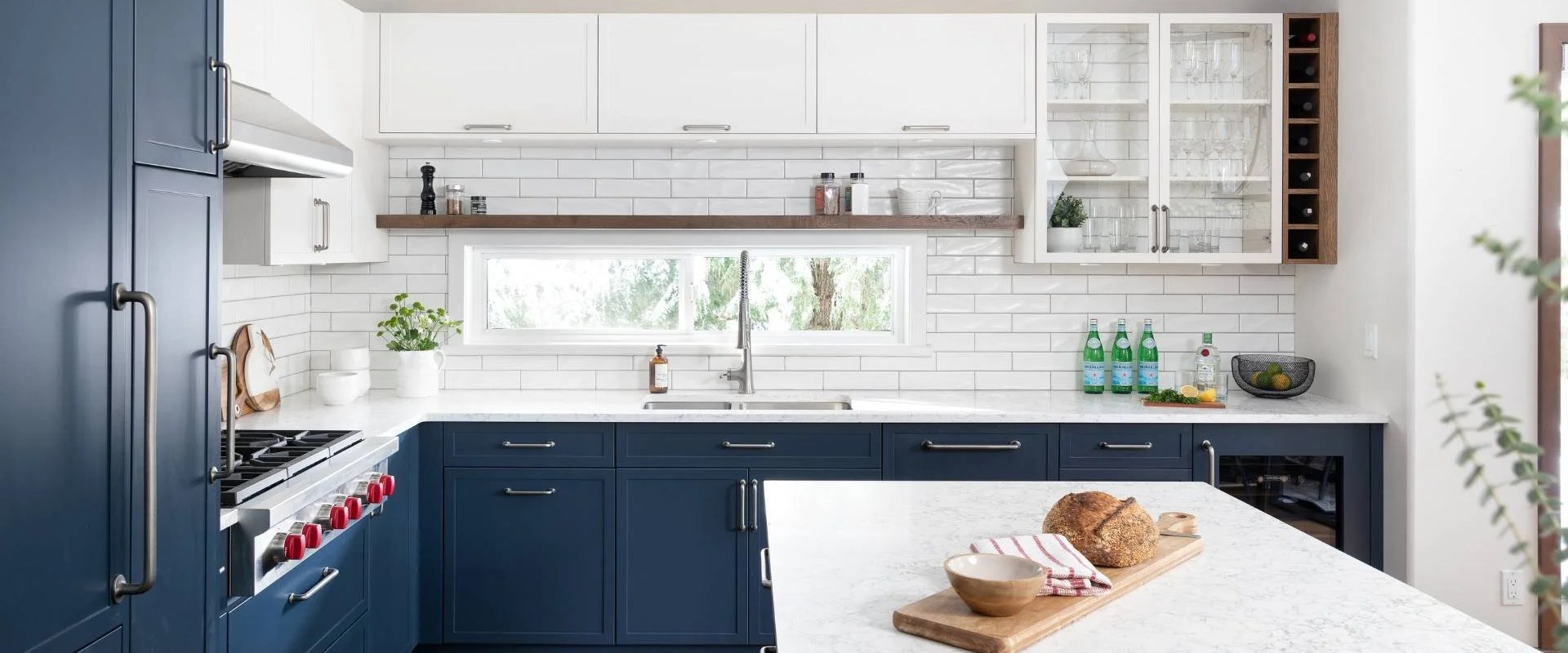
In recent years, the concept of green living has gained significant traction, particularly in the realm of home improvement. As homeowners become increasingly aware of their environmental impact, the desire to create spaces that are not only aesthetically pleasing but also sustainable has surged. This shift towards eco-friendly upgrades is not just a trend; it reflects a deeper commitment to preserving our planet for future generations, much like understanding the Factors That Influence Credit Scores can help individuals make informed financial decisions. Integrating . As homeowners become increasingly aware of their environmental impact, the desire to create spaces that are not only aesthetically pleasing but also sustainable has surged. This shift towards eco-friendly upgrades is not just a trend; it reflects a deeper commitment to preserving our planet for future generations, much like understanding the Factors That Influence Credit Scores can help individuals make informed financial decisions. Integrating green living principles into your home improvement projects can take many forms, from selecting sustainable materials to implementing energy-efficient systems. For instance, using reclaimed wood for flooring or furniture not only reduces waste but also adds a unique character to your home.
Similarly, opting for low-VOC paints and finishes can improve indoor air quality while minimizing harmful emissions. Moreover, the benefits of eco-friendly upgrades extend beyond environmental considerations. Homeowners often find that these improvements lead to long-term cost savings through reduced energy bills and increased property value. As you embark on your next home improvement project, consider how you can incorporate sustainable practices that align with your values and enhance your living space.
Choosing Sustainable Materials
When embarking on a home improvement project, one of the most impactful choices you can make is selecting sustainable materials. These materials not only reduce your environmental footprint but also enhance the aesthetic and durability of your home.Here are some excellent options to consider:
- Reclaimed Wood: This material is salvaged from old buildings, barns, and other structures. Using reclaimed wood not only gives your project a unique character but also prevents deforestation and reduces waste. It’s perfect for flooring, furniture, and accent walls.
- Bamboo: Known for its rapid growth and renewability, bamboo is an excellent alternative to traditional hardwoods. It’s incredibly strong and versatile, making it suitable for flooring, cabinetry, and even decorative elements.
- Recycled Materials: Incorporating recycled materials into your home improvement projects can significantly lower your carbon footprint.
Look for products made from recycled glass, metal, or plastic. For instance, recycled glass tiles can add a stunning visual element to kitchens and bathrooms.
- Cork: Harvested from the bark of cork oak trees without harming the tree itself, cork is a renewable resource that provides excellent insulation and soundproofing. It’s ideal for flooring and wall coverings.
- Low-VOC Paints: When painting your home, opt for low-VOC (volatile organic compounds) paints. These eco-friendly options reduce indoor air pollution and are available in a wide range of colors.
Each material brings its own set of benefits, making it easier to find the right fit for your specific project needs.Incorporating these sustainable materials into your next home improvement project is a step towards green construction that can lead to long-term savings and increased property value. Remember, every small choice counts in the journey towards a more sustainable home.
Energy-Efficient Upgrades
Incorporating energy-efficient upgrades into your home improvement project is a smart way to enhance comfort while reducing energy costs and environmental impact. Here are some effective strategies to consider:- Improve Home Insulation: Proper insulation is crucial for maintaining a comfortable indoor temperature. Consider upgrading your insulation in the attic, walls, and floors.
Materials like spray foam or cellulose can significantly reduce heat loss in winter and keep your home cooler in summer.
- Install Energy-Efficient Windows: Replacing old windows with double or triple-pane energy-efficient models can minimize heat transfer. Look for windows with a low U-factor and high Solar Heat Gain Coefficient (SHGC) ratings to maximize energy savings.
- Upgrade to Energy-Saving Appliances: When it’s time to replace appliances, opt for those with the Energy Star label. These appliances use less energy and water, which can lead to substantial savings on utility bills over time. Focus on high-impact items like refrigerators, washing machines, and dishwashers.
- Consider Smart Home Technology: Integrating smart thermostats and energy monitoring systems can help you manage your energy consumption more effectively.
These devices allow you to adjust settings remotely and track usage patterns, leading to more informed decisions about energy use.
Water Conservation Techniques
Incorporating water conservation techniques into your home improvement projects not only benefits the environment but also reduces your utility bills. Here are some effective methods to consider:- Install Low-Flow Fixtures: Replacing traditional faucets, showerheads, and toilets with low-flow alternatives can significantly reduce water usage. These fixtures are designed to maintain pressure while using less water, making them an excellent choice for eco-friendly plumbing.
- Utilize Rainwater Harvesting Systems: Collecting rainwater is a sustainable way to supply water for irrigation and other non-potable uses.
Installing a rain barrel or a more complex rainwater harvesting system can help you capture and store rainwater from your roof, which can then be used for watering plants or flushing toilets.
- Implement Smart Irrigation: If your home improvement project includes landscaping, consider installing a smart irrigation system. These systems use weather data and soil moisture levels to optimize watering schedules, ensuring that you use only the necessary amount of water.
- Fix Leaks Promptly: During any renovation, take the time to check for leaks in pipes and fixtures. Even small leaks can waste significant amounts of water over time. Addressing these issues promptly will enhance your home's efficiency.
Incorporating Renewable Energy Sources
Incorporating renewable energy sources into your home improvement projects not only enhances the sustainability of your living space but also reduces long-term energy costs.Two of the most popular options for homeowners are solar panels and wind turbines.
Solar Panels
Solar panels are an excellent way to harness the power of the sun. By installing solar panels on your roof or in your yard, you can generate electricity that can significantly reduce your reliance on traditional energy sources. Here are some key benefits:- Cost Savings: After the initial investment, solar energy can drastically lower your monthly utility bills.
- Increased Home Value: Homes equipped with solar energy systems often see an increase in property value.
- Environmental Impact: Solar energy is a clean, renewable resource that helps reduce greenhouse gas emissions.
Wind Energy for Homes
If you live in an area with consistent wind patterns, consider integrating a small-scale wind turbine into your home improvement project. Wind energy can complement solar power and provide additional benefits:- Energy Independence: Generating your own electricity means less dependence on the grid.
- Diverse Energy Sources: Combining wind and solar can provide a more stable energy supply throughout the year.
- Government Incentives: Many states offer tax credits and rebates for installing wind turbines, making it a financially attractive option.
They can help you assess your property’s potential for solar and wind energy, ensuring that you make informed decisions that align with your sustainability goals.
Creating a Sustainable Landscape
Incorporating sustainable landscaping into your home improvement project not only enhances the aesthetic appeal of your property but also contributes positively to the environment. By focusing on practices that promote ecological balance, you can create a landscape that thrives with minimal resource input.Utilizing Native Plants
One of the most effective ways to achieve a sustainable landscape is by using native plants. These plants are adapted to the local climate and soil conditions, making them more resilient and easier to maintain. They require less water, fertilizers, and pesticides compared to non-native species.Additionally, native plants support local wildlife, including pollinators like bees and butterflies, which are essential for a healthy ecosystem.
Implementing Xeriscaping
Xeriscaping is another sustainable landscaping technique that focuses on water conservation. This method involves designing your landscape in a way that reduces or eliminates the need for irrigation. Here are some key principles of xeriscaping:- Soil Improvement: Enhance soil quality with organic matter to retain moisture.
- Plant Selection: Choose drought-resistant plants that thrive in your region.
- Efficient Irrigation: Use drip irrigation systems to minimize water waste.
- Mulching: Apply mulch around plants to reduce evaporation and suppress weeds.
DIY Green Living Projects for Home Improvement
Incorporating green living into your home improvement projects not only enhances the sustainability of your space but also contributes to a healthier environment.Here are some DIY green projects that can make a significant impact:
- Upcycled Furniture: Transform old furniture into new treasures. Sand down and repaint wooden chairs or tables using eco-friendly paints. This not only reduces waste but also adds a unique touch to your home.
- Rainwater Harvesting System: Install a rain barrel to collect rainwater from your roof. This water can be used for watering plants and gardens, reducing your reliance on municipal water.
- Solar-Powered Outdoor Lighting: Replace traditional outdoor lights with solar-powered options.
These lights harness sunlight during the day and illuminate your yard at night without increasing your electricity bill.
- Composting Bin: Create a composting system in your backyard using wooden pallets or a simple bin. Composting reduces kitchen waste and provides nutrient-rich soil for your garden.
- Energy-Efficient Insulation: Use recycled materials like denim or cellulose for insulation in your home. This not only improves energy efficiency but also minimizes environmental impact.
- Native Plant Garden: Design a garden with native plants that require less water and maintenance. This supports local wildlife and reduces the need for chemical fertilizers and pesticides.
By engaging in these projects, you can take meaningful steps towards a greener future while enjoying the satisfaction of creating something with your own hands.
Frequently Asked Questions about Green Living in Home Improvement
When considering green living in your home improvement projects, many homeowners have questions about how to effectively implement eco-friendly practices. Here are some frequently asked questions that can help clarify common misconceptions and provide guidance.What are the benefits of green home improvements?
Green home improvements not only contribute to environmental sustainability but also offer numerous benefits for homeowners:- Energy efficiency: Upgrading to energy-efficient appliances and insulation can significantly reduce utility bills.
- Healthier living environment: Using non-toxic materials improves indoor air quality, benefiting your family's health.
- Increased property value: Eco-friendly homes often attract buyers, leading to higher resale values.
How can I make my home more energy-efficient?
There are several strategies to enhance energy efficiency during your home improvement projects:- Install energy-efficient windows: Double or triple-glazed windows minimize heat loss.
- Add insulation: Proper insulation in walls, attics, and basements helps maintain temperature.
- Use smart technology: Smart thermostats and energy monitors can optimize energy use.
Are there eco-friendly materials I should consider?
Yes! When selecting materials for your home improvement project, consider the following eco-friendly options:- Bamboo flooring: A sustainable alternative to hardwood that grows quickly and is durable.
- Recycled materials: Use reclaimed wood or recycled metal for construction and decor.
- Low-VOC paints: These paints reduce harmful emissions and improve indoor air quality.
Conclusion: Embracing Green Living in Your Home Improvements
In conclusion, embracing green living in your home improvement projects not only enhances the sustainability of your home but also contributes positively to the environment. By integrating eco-friendly materials, energy-efficient appliances, and sustainable practices, you can create a living space that reflects your commitment to a healthier planet.Throughout this article, we explored various strategies to incorporate green living into your home improvements. From selecting recycled materials for renovations to implementing solar energy solutions, each choice plays a significant role in reducing your carbon footprint.Additionally, we discussed the importance of water conservation through efficient plumbing fixtures and landscaping that requires minimal irrigation.Moreover, consider the benefits of natural lighting and ventilation in your design plans. Not only do these elements enhance the aesthetic appeal of your home, but they also promote a healthier indoor environment by reducing reliance on artificial lighting and improving air quality.As you embark on your next home improvement project, take a moment to reflect on how you can implement these green practices. Whether it’s through small changes like using low-VOC paints or larger investments such as installing energy-efficient windows, every effort counts. By prioritizing sustainability, you not only improve your home but also inspire others in your community to follow suit.
Ultimately, the journey towards a greener home is ongoing.
Each project presents an opportunity to make choices that align with eco-friendly principles.
Let this be a call to action: embrace green living in your home improvements and contribute to a more sustainable future for generations to come.