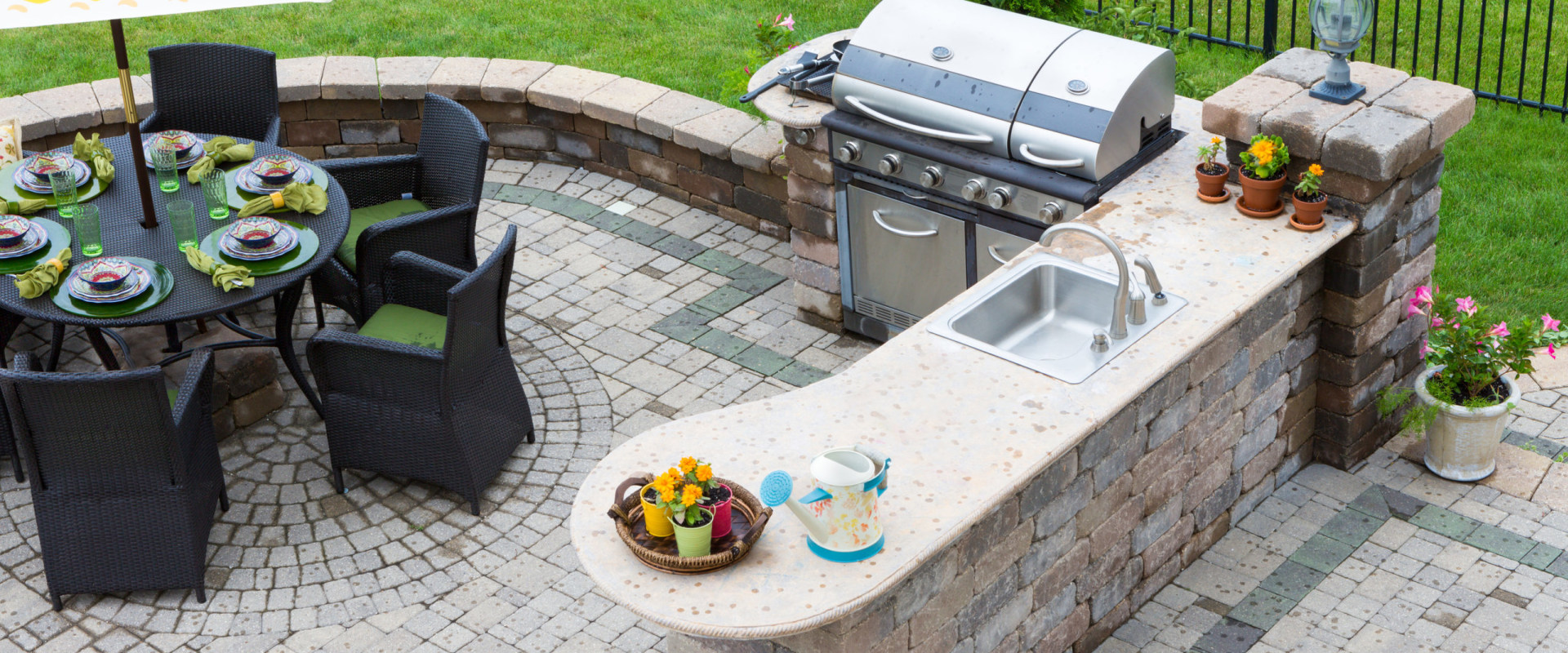
When embarking on an outdoor home improvement project, especially in the context of southern california renovations, the first step is to thoroughly understand your specific needs. Each project is unique, influenced by factors such as your property’s layout, climate, and personal style preferences. Whether you’re considering a new deck, a garden renovation, or an outdoor kitchen, taking the time to assess these elements will significantly impact your material selection and overall project success. Start by evaluating the purpose of your project. Are you looking to enhance your outdoor living space for entertaining guests, or do you want to create a serene garden retreat? Identifying the primary function will guide you in choosing materials that not only meet aesthetic goals but also withstand the demands of their intended use. project, especially in the context of southern california renovations, the first step is to thoroughly understand your specific needs. Each project is unique, influenced by factors such as your property’s layout, climate, and personal style preferences. Whether you’re considering a new deck, a garden renovation, or an outdoor kitchen, taking the time to assess these elements will significantly impact your material selection and overall project success. Start by evaluating the purpose of your project. Are you looking to enhance your outdoor living space for entertaining guests, or do you want to create a serene garden retreat? Identifying the primary function will guide you in choosing materials that not only meet aesthetic goals but also withstand the demands of their intended use.
For instance, if durability is a priority due to harsh weather conditions, opting for materials like composite decking or stone pavers may be more suitable than traditional wood. Additionally, consider the long-term maintenance requirements of the materials you choose. Some options may require regular upkeep, while others offer low-maintenance benefits. By aligning your material choices with your lifestyle and maintenance preferences, you can ensure that your outdoor space remains beautiful and functional for years to come. Ultimately, understanding your project needs is crucial in making informed decisions that will enhance both the value and enjoyment of your home.
Factors to Consider When Choosing Materials
When embarking on an outdoor home improvement project, selecting the right materials is crucial for ensuring longevity, functionality, and aesthetic appeal.Here are some key factors to consider:
- Durability: Outdoor materials must withstand various weather conditions, including rain, snow, and UV exposure. For instance, composite decking offers excellent resistance to moisture and fading compared to traditional wood.
- Cost: Budget constraints often dictate material choices. While high-quality materials may have a higher upfront cost, they can save money in the long run through reduced maintenance and replacement needs. Always consider the lifecycle cost of materials.
- Aesthetics: The visual appeal of your outdoor space is essential.
Choose materials that complement your home’s architecture and landscape. For example, natural stone can add elegance to patios and walkways, while vinyl siding offers a modern look with minimal upkeep.
- Climate: The local climate plays a significant role in material selection. In areas with high humidity, materials like aluminum or fiberglass may be preferable due to their resistance to mold and corrosion. Conversely, in arid climates, materials that can withstand heat without warping or cracking are essential.
Popular Outdoor Improvement Projects and Their Material Options
When embarking on outdoor home improvement projects, selecting the right materials is crucial for both aesthetics and durability.Here’s a look at some popular outdoor projects and the material options available for each.
Decking
Decking is a favored choice for enhancing outdoor living spaces. The materials you choose can significantly impact the look and longevity of your deck. Here are some common options:- Wood: Traditional and warm, wood decking (like cedar or redwood) offers natural beauty but requires regular maintenance.
- Composite: Made from a mix of wood fibers and plastic, composite decking is low-maintenance and resistant to rot and insects.
- Aluminum: Lightweight and durable, aluminum decking is ideal for modern designs and is resistant to rust.
Fencing
A well-chosen fence can enhance privacy and security while adding to your home’s curb appeal. Consider these materials:- Vinyl: Available in various styles, vinyl fencing is low-maintenance and resistant to fading.
- Wood: Classic wooden fences provide a natural look but may require staining or painting over time.
- Chain Link: Cost-effective and durable, chain link fencing is great for security but offers less privacy.
Landscaping
Landscaping not only beautifies your yard but also increases property value.The materials you select can vary widely based on your design goals:
- Natural Stone: Ideal for pathways and patios, natural stone adds elegance and blends well with nature.
- Pavers: Available in various colors and shapes, pavers are versatile for driveways, walkways, and patios.
- Bark Mulch: Used in garden beds, bark mulch helps retain moisture while suppressing weeds.
Sustainability in Material Selection
When embarking on an outdoor home improvement project, considering sustainability in your material selection is crucial. Not only does it benefit the environment, but it can also enhance the longevity and aesthetic appeal of your project. Here are some key points to consider when choosing sustainable materials.- Recycled Materials: Opt for materials that have been recycled or repurposed.
For instance, reclaimed wood can add character to your outdoor deck while reducing the demand for new timber.
- Locally Sourced Products: Choosing materials sourced from local suppliers minimizes transportation emissions and supports the local economy. Look for stone, brick, or wood that is harvested nearby.
- Eco-Friendly Alternatives: Consider using eco-friendly options such as bamboo, which is a rapidly renewable resource. Other alternatives include composite decking made from recycled plastics and wood fibers.
- Low-VOC Finishes: If your project involves painting or staining, select low-VOC (volatile organic compounds) products. These finishes are less harmful to both the environment and indoor air quality.
- Durability and Maintenance: Sustainable materials often require less maintenance and have a longer lifespan.
Investing in durable options can reduce waste over time, making them a more sustainable choice.
Budgeting for Your Outdoor Home Improvement Project
When embarking on an outdoor home improvement project, budgeting is a crucial step that can significantly influence the outcome. A well-planned budget not only helps you manage your finances but also ensures that you can achieve your desired results without overspending.To start, consider the following budgeting strategies:- Define Your Project Scope: Clearly outline what you want to achieve. Whether it’s building a deck, landscaping, or installing outdoor lighting, having a defined scope will help you estimate costs more accurately.
- Research Material Costs: Investigate various materials available for your project.
Look for cost-effective materials that offer durability and aesthetic appeal. For instance, composite decking may be more expensive upfront but can save money in the long run due to lower maintenance costs.
- Get Multiple Quotes: If hiring professionals, obtain quotes from several contractors. This will give you a better understanding of labor costs and help you find the best deal.
- Factor in Hidden Costs: Don’t forget to include potential hidden costs such as permits, tools, and unexpected repairs. Setting aside a contingency fund of about 10-15% of your total budget can help cover these expenses.
Here are some tips:
- Prioritize Quality Over Price: While it may be tempting to choose the cheapest option, investing in higher-quality materials can save you money in the long run by reducing the need for repairs or replacements.
- Consider Recycled or Repurposed Materials: Using recycled materials not only cuts costs but also contributes to sustainability. Look for local suppliers who offer reclaimed wood or recycled stone.
- Shop Off-Season: Purchasing materials during off-peak seasons can lead to significant savings. Many suppliers offer discounts during winter months when demand is lower.
FAQs About Choosing Materials for Outdoor Projects
When embarking on an outdoor home improvement project, selecting the right materials can be daunting. Here are some frequently asked questions that can help guide your decision-making process.What factors should I consider when choosing materials?
Several factors play a crucial role in material selection:- Durability: Consider how well the material will withstand weather conditions, pests, and wear over time.
- Maintenance: Some materials require more upkeep than others.
Think about how much time and effort you are willing to invest.
- Aesthetics: Choose materials that complement your home’s style and the surrounding landscape.
- Cost: Set a budget and explore materials that fit within it while still meeting your quality standards.
Are there eco-friendly options available?
Yes, many sustainable materials are available for outdoor projects. Look for options such as:- Bamboo: A fast-growing, renewable resource that is strong and versatile.
- Recycled materials: Items like reclaimed wood or recycled metal can add character while being environmentally friendly.
- Composite materials: Made from recycled plastics and wood fibers, these are durable and low-maintenance.
How do I know if a material is suitable for my climate?
Research the specific properties of the material in relation to your local climate. For example:- If you live in a humid area, opt for materials resistant to mold and rot.
- In regions with extreme temperatures, choose materials that can expand and contract without damage.
Can I mix different materials?
Absolutely! Mixing materials can enhance the visual appeal of your project. However, ensure that the materials are compatible in terms of durability and maintenance requirements.For instance, pairing stone with wood can create a stunning contrast but requires careful planning to ensure longevity.By addressing these common questions, you can make informed decisions that will lead to successful outdoor home improvement projects.
Conclusion: Making Informed Material Choices for Lasting Results
In conclusion, selecting the right materials for your outdoor home improvement project is crucial for achieving both aesthetic appeal and long-term durability. Throughout this article, we have explored various factors that influence material choice, including climate considerations, maintenance requirements, and budget constraints. To recap, here are some key points to keep in mind:- Understand Your Environment: Different materials perform better in specific climates. For instance, if you live in a humid area, opt for materials that resist moisture and mold.
- Prioritize Durability: Invest in high-quality materials that can withstand the elements. This not only enhances the lifespan of your project but also reduces future repair costs.
- Consider Maintenance: Some materials require more upkeep than others.
Choose options that align with your willingness to maintain them over time.
- Budget Wisely: While it may be tempting to go for the cheapest option, consider the long-term value of your investment. Sometimes spending a little more upfront can save you money in the long run.