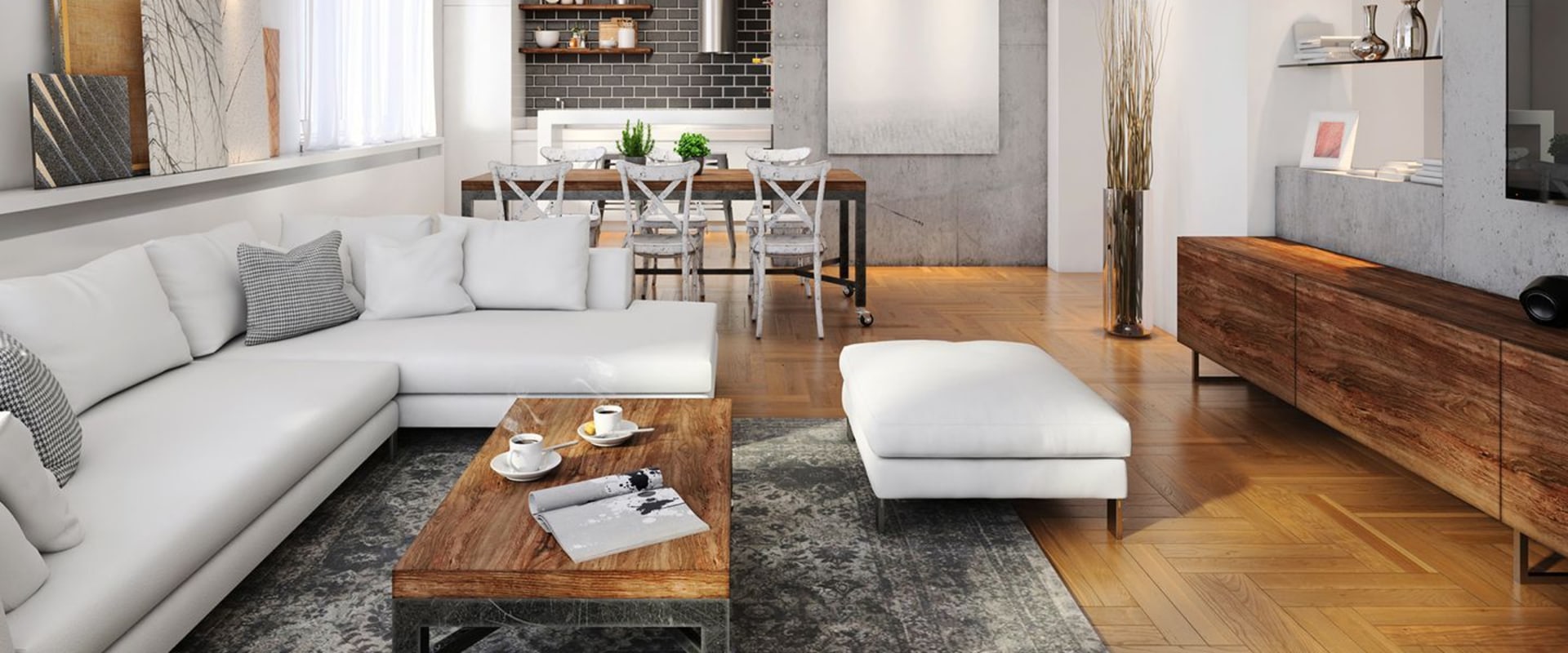
When embarking on a home improvement project, one of the most critical yet often overlooked elements is lighting. The right lighting can transform a space, enhancing its aesthetic appeal while also improving functionality. Whether you are renovating a kitchen, updating a living room, or creating a cozy reading nook, understanding the importance of lighting is essential for achieving your desired outcome. Lighting does more than just illuminate a room; it sets the mood and influences how we perceive colors and textures. For instance, warm lighting can create an inviting atmosphere, perfect for social gatherings, while cooler tones may be more suitable for workspaces where focus is key.
By carefully selecting your lighting options, you can highlight architectural features, create focal points, and even make small spaces feel larger. Moreover, the effects of lighting extend beyond mere aesthetics. Properly designed lighting can enhance safety and functionality in your home. Well-lit areas reduce the risk of accidents and make daily tasks easier to perform. As you plan your home improvement project, consider how different types of lighting—ambient, task, and accent—can work together to create a harmonious environment that meets both your practical needs and design aspirations.
Assessing Your Space: Factors to Consider
When embarking on a home improvement project, one of the most crucial steps is assessing your space to determine the right lighting.Each room has unique characteristics that influence lighting choices, including size, layout, and purpose.
Room Size
- Small Rooms: In smaller spaces, such as bathrooms or cozy nooks, opt for bright, focused lighting to create an illusion of openness. Consider using wall sconces or recessed lighting to avoid cluttering the space.
- Large Rooms: For larger areas like living rooms or open-concept kitchens, a combination of ambient, task, and accent lighting can help define different zones. Use chandeliers or pendant lights as focal points while incorporating floor lamps for additional illumination.
Room Layout
- Ceiling Height: High ceilings can benefit from tall floor lamps or hanging fixtures that draw the eye upward. Conversely, low ceilings may require flush mounts or low-profile fixtures to avoid overwhelming the space.
- Furniture Arrangement: Consider how your furniture is arranged.
Ensure that light sources are positioned to enhance functionality—task lighting should be placed near reading areas or workspaces.
Room Purpose
- Functional Spaces: In areas like kitchens and home offices, prioritize bright, direct lighting to facilitate tasks. Under-cabinet lights in kitchens can illuminate countertops effectively.
- Relaxation Areas: For bedrooms and living rooms, softer, warmer lighting creates a cozy atmosphere. Dimmable fixtures allow you to adjust brightness according to mood and time of day.
Types of Lighting: A Comprehensive Overview
When embarking on a home improvement project, understanding the different types of lighting is crucial for creating a functional and aesthetically pleasing space.The three primary types of lighting are ambient lighting, task lighting, and accent lighting, each serving a unique purpose in your home.
Ambient Lighting
Ambient lighting provides the overall illumination for a room, ensuring that the space is well-lit and comfortable. This type of lighting is typically soft and diffused, allowing for a warm atmosphere. Common sources of ambient lighting include:- Ceiling-mounted fixtures
- Chandeliers
- Recessed lights
- Floor lamps
Task Lighting
Task lighting, on the other hand, is designed to illuminate specific areas where activities such as reading, cooking, or working take place. This type of lighting is more focused and brighter than ambient lighting.Examples include:
- Desk lamps
- Under-cabinet lights in kitchens
- Vanity lights in bathrooms
- Reading lamps beside beds
Accent Lighting
Accent lighting is used to highlight specific features or objects within a space, such as artwork, architectural details, or plants. This type of lighting adds depth and interest to your home. Common sources include:- Track lights
- Wall sconces
- Spotlights
- Candlelight for ambiance
Choosing the Right Fixtures: Style and Functionality
When embarking on a home improvement project, selecting the right light fixtures is crucial for both aesthetic appeal and functionality. The right fixtures can enhance your space, complement your decor, and provide adequate lighting for various activities.Understanding Your Style
- Traditional: If your home features classic architecture, consider fixtures with ornate details, such as chandeliers or sconces that reflect timeless elegance.
- Modern: For a contemporary look, opt for sleek, minimalist designs.
Pendant lights with geometric shapes or recessed lighting can create a clean and uncluttered feel.
- Rustic: In a farmhouse or cottage setting, choose fixtures made from natural materials like wood or wrought iron. Lantern-style lights can add warmth and charm.
- Eclectic: If your style is a mix of various influences, don’t hesitate to combine different fixture styles. Just ensure they share a common element, such as color or material.
Functional Lighting Solutions
Beyond style, consider the functionality of your lighting. Different areas of your home require different types of lighting:
- Task Lighting: This type of lighting is essential for areas where specific activities take place, such as reading or cooking.
Under-cabinet lights in the kitchen or desk lamps in the study are great examples.
- Ambient Lighting: This provides overall illumination and sets the mood in a room. Ceiling fixtures or wall-mounted sconces can help achieve this effect.
- Accent Lighting: Use accent lighting to highlight artwork or architectural features. Spotlights or track lighting can draw attention to these focal points.
Energy Efficiency: Making Sustainable Choices
When embarking on a home improvement project, one of the most impactful decisions you can make is selecting the right lighting.Not only does it enhance the aesthetic appeal of your space, but it also plays a crucial role in energy efficiency and sustainability.
Energy Efficient Lighting Options
- LED Bulbs: Light Emitting Diodes (LEDs) are among the most energy-efficient lighting options available today. They consume up to 75% less energy than traditional incandescent bulbs and have a significantly longer lifespan, often lasting over 25,000 hours.
- CFLs: Compact Fluorescent Lamps (CFLs) are another energy-efficient alternative. While they take a bit longer to warm up compared to LEDs, they still use about 70% less energy than incandescent bulbs.
- Smart Lighting: Incorporating smart lighting systems allows you to control your lights remotely and set schedules, further enhancing energy savings.
- Natural Light: Maximize natural light by using larger windows or skylights.
This reduces the need for artificial lighting during the day.
- Task Lighting: Use focused lighting for specific tasks, which can reduce the need for overhead lights and save energy.
LED vs Incandescent
The debate between LED and incandescent bulbs is significant in the context of energy efficiency. While incandescent bulbs may provide a warm glow that many find appealing, they are notoriously inefficient. In contrast, LEDs not only offer various color temperatures but also produce less heat, making them safer and more efficient.In conclusion, making informed choices about your lighting can significantly impact both your energy consumption and the overall sustainability of your home improvement project. By opting for energy-efficient solutions like LEDs or CFLs and considering design elements that maximize natural light, you can create a beautiful and eco-friendly home environment.
Layering Light: Creating a Balanced Atmosphere
When it comes to home improvement, understanding how to effectively layer light can transform your space into a warm and inviting environment.Layering light involves combining different types of lighting—ambient, task, and accent—to create a balanced and functional atmosphere.
1.Ambient Lighting
- This is the foundational layer of light in any room, providing overall illumination. Common sources include ceiling fixtures, chandeliers, and recessed lighting.
- Choose fixtures that complement your room's style while ensuring they provide adequate brightness for daily activities.
2.Task Lighting
- Task lighting is essential for specific activities such as reading, cooking, or working. It should be brighter than ambient light and focused on the areas where tasks are performed.
- Consider using desk lamps, under-cabinet lights in the kitchen, or wall sconces near seating areas to enhance functionality.
3.Accent Lighting
- This layer adds drama and highlights architectural features or artwork. Accent lighting can be achieved through track lighting, spotlights, or decorative lamps.
- Use accent lighting sparingly to draw attention to focal points without overwhelming the space.
Warmer tones (2700K-3000K) create a cozy atmosphere, while cooler tones (4000K-5000K) are more energizing and suitable for workspaces.Finally, don’t forget about dimmers! Installing dimmer switches allows you to adjust the intensity of your lighting based on the time of day or mood you wish to create. By thoughtfully layering your lighting, you can enhance the overall aesthetic of your home while ensuring it remains functional and inviting.
Common Mistakes to Avoid When Choosing Lighting
Choosing the right lighting for your home improvement project can be a daunting task, and many homeowners fall into common traps that can lead to unsatisfactory results. Here are some frequent mistakes to avoid when selecting lighting:- Ignoring the Purpose of the Space: One of the biggest errors is not considering how the space will be used. For instance, bright task lighting is essential in a kitchen, while softer ambient lighting may be more appropriate for a bedroom.
- Overlooking Scale and Proportion: Selecting fixtures that are too large or too small for a room can disrupt the visual balance.
Always consider the size of your space and choose lighting that complements it.
- Neglecting Layered Lighting: Relying solely on one type of lighting can create harsh shadows or overly bright spots. Incorporate a mix of ambient, task, and accent lighting to achieve a well-rounded effect.
- Choosing Style Over Function: While aesthetics are important, functionality should not be sacrificed. Ensure that your chosen fixtures provide adequate light for their intended purpose.
- Forgetting About Dimmers: Installing dimmer switches can greatly enhance the versatility of your lighting. They allow you to adjust brightness according to different activities and moods.
Consider creating a lighting plan that outlines the types of fixtures needed for each area, their placement, and how they will work together. This proactive approach will help you make informed decisions and ultimately lead to a more successful home improvement project.
FAQs About Lighting Choices in Home Improvement Projects
When embarking on a home improvement project, selecting the right lighting can significantly enhance both functionality and aesthetics. Here are some frequently asked questions that can guide you in making informed lighting choices:What types of lighting should I consider?
There are three main types of lighting to consider:- Ambient Lighting: This is the general illumination that fills a room, providing a comfortable level of brightness without causing glare.
- Task Lighting: This type focuses on specific areas where activities such as reading, cooking, or working take place. Examples include desk lamps and under-cabinet lights.
- Accent Lighting: Used to highlight certain features in your home, such as artwork or architectural details, accent lighting adds depth and interest.
How do I choose the right color temperature?
The color temperature of your lighting can affect the mood of a space.Measured in Kelvins (K), here’s a quick guide:
- Warm White (2700K-3000K): Ideal for living rooms and bedrooms, creating a cozy atmosphere.
- Neutral White (3500K-4100K): Suitable for kitchens and bathrooms, offering a balanced light.
- Cool White (5000K-6500K): Best for workspaces, providing clarity and focus.
What are some energy-efficient lighting options?
If you're looking to save on energy costs while improving your home, consider these options:- LED Bulbs: They use up to 80% less energy than traditional incandescent bulbs and last significantly longer.
- CFLs (Compact Fluorescent Lamps): These are more energy-efficient than incandescent bulbs but less so than LEDs.
Conclusion: Illuminating Your Home Improvement Journey
In conclusion, choosing the right lighting for your home improvement project is a crucial step that can significantly enhance both the functionality and aesthetic appeal of your space. Throughout this article, we have explored various aspects of lighting selection, emphasizing the importance of understanding your specific needs and the characteristics of each room. To recap, here are some key points to consider:- Assess Your Space: Evaluate the size, layout, and purpose of each room to determine the type and amount of lighting required.
- Layer Your Lighting: Incorporate a mix of ambient, task, and accent lighting to create a well-balanced atmosphere that caters to different activities.
- Choose the Right Fixtures: Select fixtures that complement your interior design style while providing adequate illumination.
- Consider Energy Efficiency: Opt for LED bulbs and energy-efficient fixtures to reduce energy consumption and lower utility bills.
- Test Before You Commit: If possible, try out different lighting options in your space before making a final decision to see how they interact with your decor and color schemes.