Home improvement is more than just a trend; it is a vital aspect of maintaining and enhancing the functionality of your living space. Whether you are looking to increase the value of your property, improve energy efficiency, or simply create a more comfortable environment, understanding the importance of home improvement can lead to significant benefits. By investing time and resources into your home, you can transform it into a space that meets your evolving needs and preferences. The benefits of home improvement extend beyond aesthetics. Upgrading your home can lead to improved safety, enhanced comfort, and increased efficiency.
For instance, modernizing outdated electrical systems or installing energy-efficient windows not only reduces utility bills but also minimizes the risk of hazards. Furthermore, thoughtful renovations can create more functional spaces, such as converting an unused attic into a cozy office or expanding a cramped kitchen to accommodate family gatherings. Ultimately, the question of why improve your home is rooted in the desire for a better quality of life. A well-maintained and thoughtfully designed home can significantly impact your daily routine, providing a sanctuary that reflects your lifestyle and values. As you embark on your home improvement journey, consider how each enhancement can contribute to a more enjoyable and efficient living experience.
Assessing Your Current Home Layout
To effectively enhance your home’s functionality, the first step is to conduct a thorough assessment of your current home layout.This process involves evaluating how each space is utilized and identifying areas that may benefit from improvement. Start by walking through your home with a critical eye. Consider the following aspects:
- Flow of Movement: Observe how easily you can move from one room to another. Are there any obstacles that disrupt the flow? A well-planned layout should allow for smooth transitions between spaces.
- Room Purpose: Assess whether each room serves its intended purpose effectively. For instance, is your dining area too cramped for family gatherings? If so, consider reconfiguring the space or even merging it with another area.
- Natural Light: Evaluate how natural light enters your home.
Rooms that lack sufficient light can feel cramped and uninviting. Think about ways to enhance lighting, such as adding mirrors or opening up spaces.
- Multi-Functional Furniture: Invest in furniture that serves multiple purposes, such as a sofa bed or an ottoman with storage. This can help maximize space without sacrificing comfort.
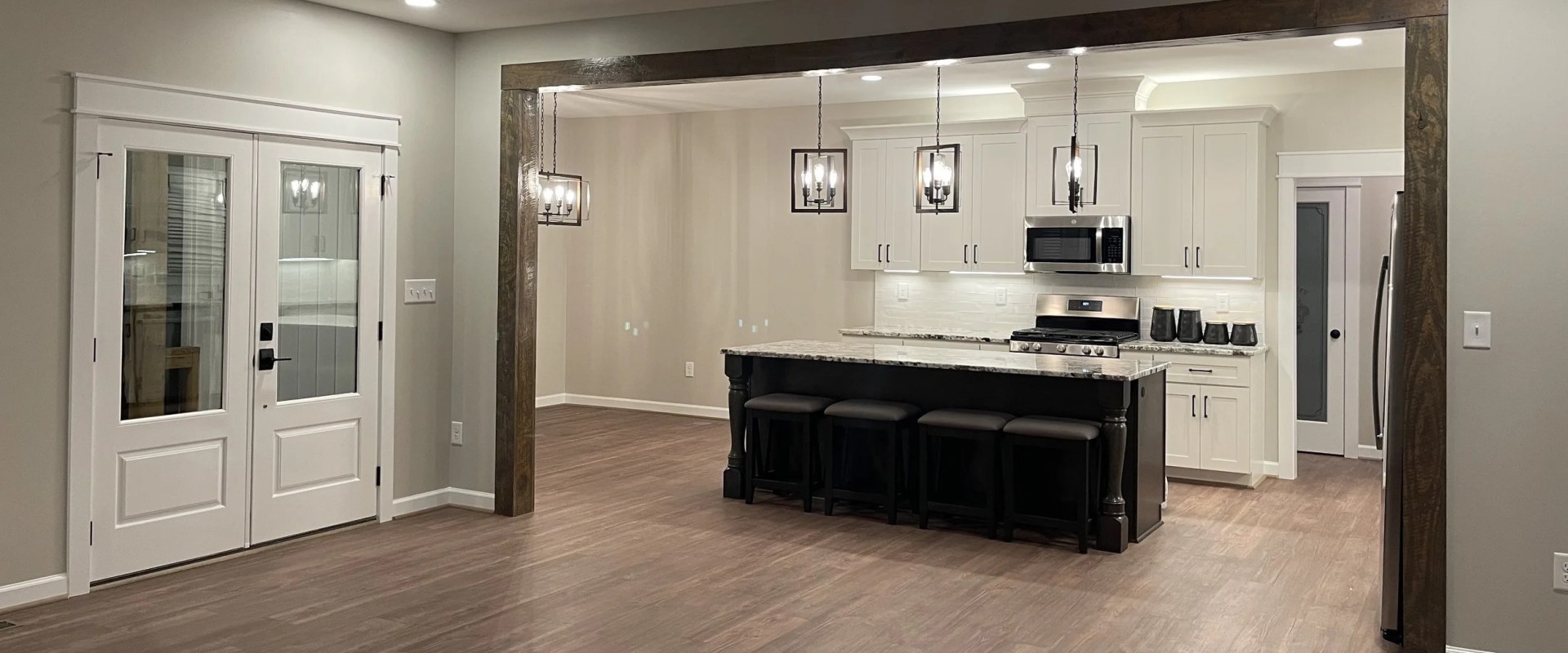
- Open Concept Design: If feasible, consider removing non-load-bearing walls to create an open concept layout.
This can make your home feel larger and more connected.
- Vertical Storage Solutions: Utilize vertical space by installing shelves or cabinets that reach the ceiling. This not only provides additional storage but also draws the eye upward, making rooms appear taller.
Incorporating Smart Home Technology
Incorporating smart home technology into your living space can significantly enhance its functionality, improve energy efficiency, and provide unparalleled convenience. With the rise of home automation, homeowners can now control various aspects of their homes remotely, making everyday tasks easier and more efficient.Here are some key areas where smart home technology can make a difference:- Smart Lighting: Install smart bulbs that can be controlled via smartphone apps or voice commands.
These lights can be programmed to adjust brightness and color based on the time of day, helping to create the perfect ambiance while saving energy.
- Smart Thermostats: Devices like the Nest or Ecobee allow you to monitor and control your home’s heating and cooling systems from anywhere. They learn your schedule and preferences, optimizing energy use and reducing utility bills.
- Home Security Systems: Smart security cameras, doorbells, and locks provide peace of mind by allowing you to monitor your home in real-time. You can receive alerts on your phone if any unusual activity is detected.
- Smart Appliances: From refrigerators that track expiration dates to washing machines that can be controlled remotely, smart appliances streamline household chores and enhance efficiency.
- Voice Assistants: Devices like Amazon Echo or Google Home serve as central hubs for controlling other smart devices. They can play music, set reminders, and even control your home’s lighting and temperature with simple voice commands.
By automating daily tasks, you can save time and reduce energy consumption, leading to lower utility bills. Additionally, many smart devices offer enhanced security features that provide peace of mind when you’re away from home.In conclusion, integrating smart home technology into your residence not only increases its functionality but also contributes to a more efficient and secure living environment. As technology continues to evolve, the possibilities for enhancing your home through automation will only expand.
Maximizing Storage Solutions
When it comes to home improvement, maximizing storage solutions is a game changer for enhancing functionality and organization. A well-organized space not only looks appealing but also makes daily tasks more efficient.Here are some innovative strategies to help you declutter and optimize your home.
- Utilize Vertical Space: One of the most effective ways to maximize storage is by taking advantage of vertical space. Install shelves or cabinets that reach up to the ceiling. This not only provides additional storage but also draws the eye upward, making the room feel larger.
- Multi-Functional Furniture: Invest in furniture that serves multiple purposes. For example, ottomans with hidden storage, beds with drawers underneath, or coffee tables that open up can significantly reduce clutter while providing essential functions.
- Under-Stair Storage: The area under stairs is often overlooked.
Consider converting this space into a small closet, bookshelf, or even a cozy reading nook. Custom cabinetry can transform this awkward space into a functional storage solution.
- Decluttering Tips: Regularly assess your belongings and implement a "one in, one out" rule to prevent accumulation. Donate or sell items you no longer use. This practice not only frees up space but also helps maintain an organized environment.
- Use Clear Bins: For items stored in closets or on shelves, use clear bins to easily identify contents without having to dig through boxes.
Labeling these bins can further enhance organization and accessibility.
Enhancing Outdoor Spaces for Functionality
Improving your outdoor spaces can significantly enhance the functionality of your home, making it a more enjoyable and versatile environment. Here are some effective outdoor improvements that can transform your yard into a functional oasis.- Create Defined Zones: Consider dividing your outdoor area into distinct zones for different activities. For example, you could have a dining area, a relaxation zone with comfortable seating, and a play area for children.
This not only organizes the space but also makes it more usable.
- Incorporate Functional Landscaping: Use landscaping to enhance usability. Plant native shrubs and flowers that require less maintenance while providing beauty. Additionally, consider adding pathways made of stone or gravel to guide guests through your garden.
- Add Outdoor Lighting: Installing outdoor lighting can extend the usability of your outdoor spaces into the evening. String lights, lanterns, or solar-powered fixtures can create a warm ambiance while ensuring safety and visibility.
- Install a Fire Pit: A fire pit serves as a focal point for gatherings and can be used year-round.
It provides warmth during cooler months and creates an inviting atmosphere for socializing.
- Build an Outdoor Kitchen: If you enjoy cooking and entertaining, consider adding an outdoor kitchen. This can range from a simple grill setup to a fully equipped kitchen with countertops and storage, making outdoor dining more convenient.
Energy Efficiency Upgrades
Improving the energy efficiency of your home is a smart way to enhance its functionality while also contributing to a more sustainable environment. Here are several effective upgrades that can help you achieve these goals:- Insulation Improvements: Upgrading your home’s insulation can significantly reduce heating and cooling costs.
Consider adding insulation to attics, walls, and basements to maintain a consistent indoor temperature.
- Energy-Efficient Windows: Replacing old windows with double or triple-pane energy-efficient models can minimize heat loss in winter and keep your home cooler in summer. Look for windows with a high Energy Star rating.
- Smart Thermostats: Installing a smart thermostat allows you to optimize your heating and cooling systems based on your schedule. This technology can learn your habits and adjust temperatures accordingly, leading to reduced energy consumption.
- LED Lighting: Switching to LED bulbs not only lowers energy usage but also lasts significantly longer than traditional incandescent bulbs. This simple change can lead to substantial savings on your electricity bill.
- Energy-Efficient Appliances: When it’s time to replace appliances, opt for those labeled as Energy Star.
These appliances use less energy and water, which can lead to lower utility costs over time.
- Solar Panels: Investing in solar panels can drastically reduce your reliance on grid electricity. While the initial investment may be high, the long-term savings on energy bills and potential tax incentives make it a worthwhile consideration.
Creating Multi-Functional Spaces
In today’s fast-paced world, creating multi-functional spaces in your home is essential for maximizing both functionality and comfort. These versatile room designs allow you to adapt your living areas to meet various needs, whether it’s for work, relaxation, or entertaining guests.One effective way to achieve this is by incorporating flexible furniture.Consider investing in a sofa bed that can transform your living room into a guest room when needed. Additionally, ottomans with storage capabilities can serve as both seating and a place to stow away blankets or books.Another approach is to utilize room dividers. These can be physical partitions or even decorative screens that help delineate spaces without the need for permanent walls. For instance, a bookshelf can act as a divider between a home office and a living area, providing both privacy and style.
- Designate Zones: Clearly define different areas within a single room.
Use rugs to separate spaces visually, such as a reading nook from a workspace.
- Multi-Purpose Tables: Opt for dining tables that can double as workspaces. Look for extendable options that can accommodate more people when hosting gatherings.
- Wall-Mounted Solutions: Install wall shelves or foldable desks that can be tucked away when not in use, freeing up floor space.
Home Maintenance Tips for Longevity and Functionality
Maintaining your home is crucial for ensuring its longevity and functionality.Regular upkeep not only enhances the aesthetic appeal but also prevents costly repairs down the line. Here are some essential home maintenance tips to keep your living space in top shape:
- Inspect Your Roof: Regularly check for missing shingles, leaks, or signs of wear. A well-maintained roof protects your home from water damage and extends its lifespan.
- Clean Gutters: Clogged gutters can lead to water overflow, causing damage to your foundation. Clean them at least twice a year to ensure proper drainage.
- Check HVAC Systems: Schedule annual maintenance for your heating and cooling systems.
Replace filters regularly to improve air quality and efficiency.
- Seal Windows and Doors: Inspect seals for drafts and replace weather stripping as needed. This simple step can significantly reduce energy costs.
- Maintain Plumbing: Regularly check for leaks in pipes and faucets. Addressing small issues promptly can prevent major plumbing disasters.
- Inspect Electrical Systems: Ensure that outlets and switches are functioning properly. Consider hiring a professional to inspect your electrical system every few years.
This can help you stay organized and ensure that no important tasks are overlooked. For example, in the spring, focus on exterior maintenance like painting and landscaping, while fall can be dedicated to preparing your home for winter.By implementing these home maintenance tips, you not only prolong the life of your home but also maintain its functionality, ensuring a safe and comfortable environment for you and your family.
Conclusion: Transforming Your Home into a Functional Haven
In conclusion, enhancing the functionality of your home through home improvement projects is not just about aesthetics; it’s about creating a space that meets your needs and improves your quality of life. By focusing on key areas such as organization, space optimization, and energy efficiency, you can transform your living environment into a more practical and enjoyable haven.Throughout this article, we explored various strategies to achieve these improvements:- Maximizing Space: Utilizing vertical storage solutions and multi-functional furniture can significantly increase usable space in smaller homes.
- Enhancing Natural Light: Incorporating larger windows or skylights can brighten up your home, making it feel more open and inviting.
- Improving Energy Efficiency: Upgrading insulation, windows, and appliances not only reduces utility bills but also contributes to a more sustainable lifestyle.
- Creating Outdoor Living Areas: Expanding your living space outdoors with patios or decks can enhance your home’s functionality and provide additional areas for relaxation and entertainment.
Prioritize changes that align with your lifestyle and needs, ensuring that every improvement adds value to your home.Ultimately, the goal of home improvement is to create a space that not only looks good but also works well for you and your family. By investing time and resources into these enhancements, you can enjoy a home that truly reflects your personal style while meeting the demands of everyday life.