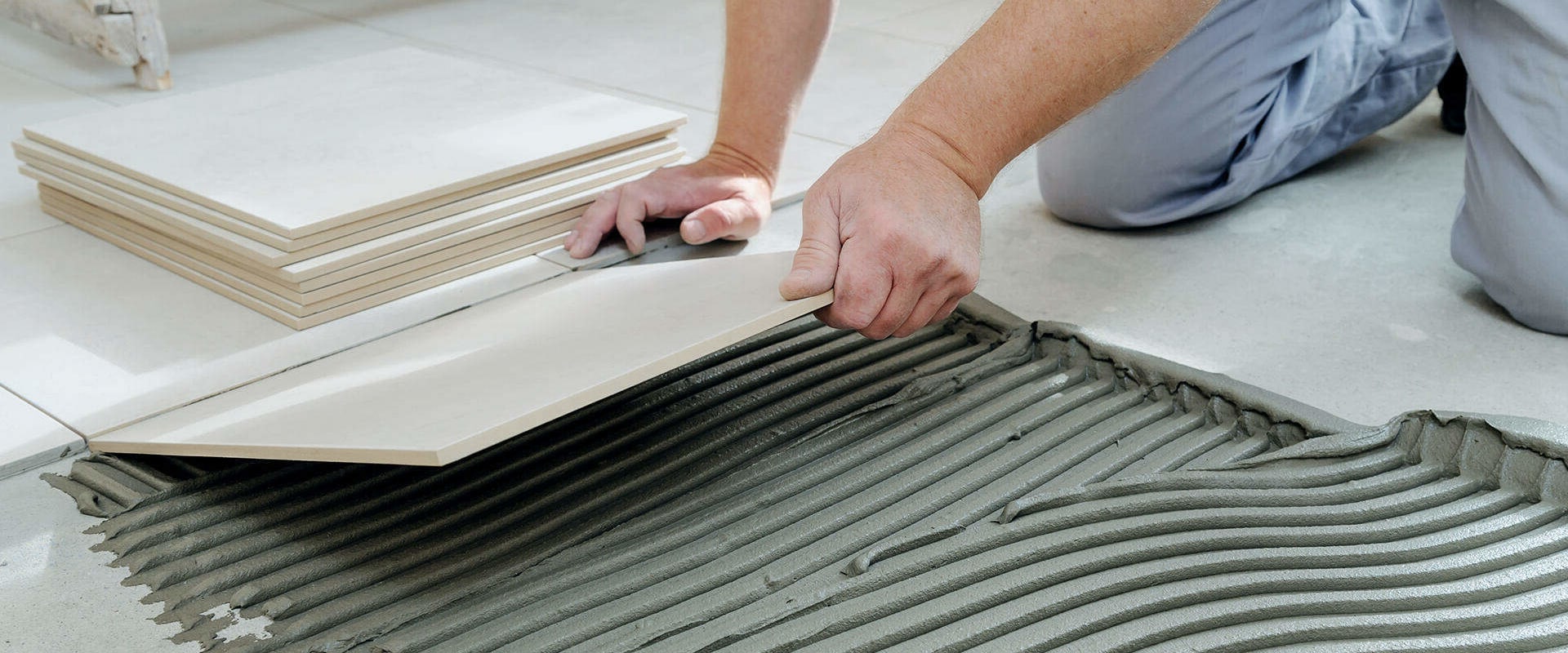
When embarking on a home improvement project, the selection of materials is a critical step that can significantly influence the outcome. The right materials not only enhance the aesthetic appeal of your space but also ensure durability and functionality. Understanding the importance of Materials and Design Options for Home Exterior is essential for homeowners who wish to achieve lasting results without incurring unnecessary costs or complications. Choosing the appropriate project, the selection of materials is a critical step that can significantly influence the outcome. The right materials not only enhance the aesthetic appeal of your space but also ensure durability and functionality. Understanding the importance of Materials and Design Options for Home Exterior is essential for homeowners who wish to achieve lasting results without incurring unnecessary costs or complications. Choosing the appropriate home improvement materials involves more than just picking what looks good; it requires a careful consideration of factors such as climate, maintenance, and compatibility with existing structures. For instance, using moisture-resistant materials in humid areas can prevent future damage, while selecting energy-efficient options can lead to long-term savings on utility bills.
This thoughtful approach to material selection sets the foundation for a successful project. Moreover, many homeowners underestimate how their choices can impact not only the immediate project but also future renovations and repairs. By investing time in understanding the various options available and their implications, you can avoid common pitfalls that lead to costly mistakes. As we delve deeper into this topic, we will explore some frequent errors made during material selection and how to navigate them effectively.
Mistake #1: Ignoring Project Requirements
When embarking on a home improvement project, one of the most critical mistakes homeowners make is ignoring project requirements. Understanding the specific needs of your project is essential for selecting the right materials.Without this knowledge, you risk choosing materials that may not be suitable for your intended use, leading to issues down the line.Every home improvement project has unique specifications that dictate what materials are appropriate. For instance, if you're renovating a bathroom, moisture-resistant materials are a must to prevent mold and damage. Conversely, if you're working on an outdoor deck, you need materials that can withstand weather conditions and resist decay.
Assessing Project Needs
- Functionality: Consider how the space will be used. Will it experience heavy foot traffic? Is it exposed to the elements? Understanding these factors will guide your material selection.
- Durability: Different projects require different levels of durability.
For example, flooring materials need to be robust enough to handle daily wear and tear, while decorative elements may prioritize aesthetics over strength.
- Aesthetics: While functionality is crucial, the visual appeal of materials should not be overlooked. Ensure that the materials you choose align with your overall design vision.
Mistake #2: Overlooking Budget Constraints
When embarking on a home improvement project, one of the most critical aspects to consider is your budget.Many homeowners make the mistake of overlooking their financial constraints, which can lead to overspending and ultimately derail the entire project.Before selecting materials, it’s essential to establish a clear budget that outlines how much you can afford to spend. This budget should include not only the cost of materials but also labor, permits, and any unexpected expenses that may arise during the renovation process. Failing to account for these factors can result in a financial strain that could have been avoided.
Understanding Material Costs
The cost of materials can vary significantly based on quality, brand, and availability. For instance, while high-end materials may offer aesthetic appeal and durability, they often come with a hefty price tag.It’s crucial to research and compare prices from different suppliers to find affordable home improvement options that fit within your budget.
- Prioritize Needs Over Wants: Focus on what is necessary for your project rather than getting swayed by luxury items.
- Consider Alternatives: Look for less expensive substitutes that still meet your quality standards.
- Plan for Contingencies: Set aside a portion of your budget for unexpected costs that may arise during the project.
Mistake #3: Not Considering Long-Term Maintenance
When embarking on a home improvement project, many homeowners focus primarily on the aesthetic appeal and initial costs of materials. However, one of the most significant oversights is failing to consider the long-term maintenance associated with those materials.This can lead to unexpected expenses and frequent repairs that could have been avoided with proper planning.
Understanding Material Maintenance
- Wood: While it offers a warm and inviting look, wood requires regular sealing and treatment to prevent rot and insect damage. Neglecting this can lead to costly replacements.
- Vinyl: Although low-maintenance, vinyl can fade over time and may require occasional cleaning or replacement of panels that become damaged.
- Brick: While durable, brickwork can develop cracks that need to be repaired. Additionally, the mortar may require repointing every few decades.
Long-Term Costs
When evaluating materials for your home improvement project, it’s essential to factor in not just the purchase price but also the long-term costs.
This includes maintenance supplies, labor for repairs, and potential replacements. A material that seems economical at first glance may end up costing much more if it requires frequent upkeep or replacement.
Conclusion
In summary, neglecting to consider the long-term maintenance of materials can lead to higher costs and more frequent repairs down the line. By taking the time to research and understand the upkeep needs of various materials, homeowners can make informed decisions that will save them money and hassle in the future.
Mistake #4: Failing to Research Material Options
When embarking on a home improvement project, one of the most critical yet often overlooked steps is thoroughly researching material options. Many homeowners make the mistake of selecting materials based solely on aesthetics or price, neglecting to consider their long-term performance and suitability for the specific project.Understanding Material Properties
- Durability: Different materials have varying lifespans and resistance to wear and tear.
For instance, while hardwood floors may offer a classic look, they can be susceptible to scratches and moisture damage compared to tile or laminate options.
- Maintenance: Some materials require more upkeep than others. For example, natural stone countertops may need regular sealing, while quartz surfaces are generally easier to maintain.
- Environmental Impact: With increasing awareness of sustainability, researching eco-friendly materials can not only benefit the environment but also enhance your home's value.
Comparing Material Options
Before making a final decision, it’s essential to compare different materials based on your project’s requirements. Consider creating a comparison chart that includes:
- Cost: Initial purchase price and long-term value.
- Installation: Complexity and labor costs associated with installation.
- Aesthetics: How well the material fits with your overall design vision.
- Performance: How the material holds up under various conditions (e.g., moisture, temperature changes).
Mistake #5: Ignoring Environmental Impact
In today's world, the importance of environmental sustainability cannot be overstated, especially when it comes to home improvement projects.One of the most significant mistakes homeowners make is ignoring the environmental impact of the materials they choose. This oversight not only affects the planet but can also influence the long-term appeal and value of your home.When selecting materials, it's crucial to consider their eco-friendliness. Many traditional building materials are derived from non-renewable resources and can contribute to pollution and waste. In contrast, opting for sustainable materials can significantly reduce your project's carbon footprint.
Here are some eco-friendly options to consider:
- Recycled Materials: Using reclaimed wood, recycled metal, or repurposed bricks can minimize waste and give your project a unique character.
- Bamboo: This rapidly renewable resource is not only strong and durable but also has a lower environmental impact compared to traditional hardwoods.
- Low-VOC Paints: Volatile organic compounds (VOCs) can harm indoor air quality. Choosing low-VOC or zero-VOC paints helps create a healthier living environment.
- Sustainable Insulation: Materials like sheep's wool or cellulose made from recycled paper provide excellent insulation while being environmentally friendly.
Lastly, as more buyers become environmentally conscious, homes that incorporate sustainable practices may have a higher resale value.In conclusion, when embarking on a home improvement project, it's essential to prioritize sustainability by choosing materials that are not only functional but also environmentally responsible. By doing so, you contribute positively to the planet while enhancing the appeal and value of your home.
Mistake #6: Relying Solely on Aesthetics
When embarking on a home improvement project, it’s easy to get swept away by the allure of beautiful materials. However, focusing solely on aesthetics can lead to significant pitfalls that affect both the performance and longevity of your chosen materials. While a stunning finish may catch the eye, it’s essential to consider how these materials will function in your home over time.Aesthetic vs.
Functional Materials
- Durability: Many aesthetically pleasing materials may not withstand the wear and tear of daily use. For instance, while a gorgeous wooden countertop may look inviting, it could be prone to scratches and stains if not properly treated.
- Maintenance: Some beautiful materials require extensive upkeep. A stunning marble floor might be a showstopper, but its susceptibility to etching from acidic substances can lead to costly repairs.
- Suitability: Not all beautiful materials are suitable for every environment. For example, while glass tiles can add elegance to a bathroom, they may not be the best choice for high-traffic areas due to their fragility.
Choosing Functional Materials
To avoid the mistake of prioritizing looks over practicality, consider the following tips:
- Research: Investigate the performance characteristics of materials before making a decision.
Look for reviews and case studies that highlight their durability and maintenance needs.
- Consult Professionals: Seek advice from contractors or interior designers who can provide insights into which materials will not only look good but also stand the test of time.
- Balance Beauty with Function: Aim for a harmonious blend of aesthetics and functionality. For example, consider using engineered stone that mimics the look of natural stone but offers greater durability and lower maintenance.
Frequently Asked Questions About Material Selection in Home Improvement Projects
When embarking on a home improvement project, selecting the right materials can be daunting. Here are some frequently asked questions that can help clarify the process:What factors should I consider when choosing materials?
Several factors play a crucial role in material selection:- Durability: Consider how long the material will last under various conditions.
- Cost: Evaluate your budget and find materials that offer the best value for your investment.
- Aesthetics: Choose materials that align with your design vision and enhance the overall look of your home.
- Maintenance: Some materials require more upkeep than others; factor in how much time and effort you can dedicate to maintenance.
- Sustainability: Opt for eco-friendly materials if you are concerned about environmental impact.
How do I know if a material is suitable for my project?
To determine if a material is suitable, consider the following:- Research: Look into the material's properties and performance in similar applications.
- Consult Professionals: Seek advice from contractors or designers who have experience with the materials you are considering.
- Sample Testing: If possible, obtain samples to see how they perform in your specific environment.
What are some common mistakes to avoid?
Avoid these common pitfalls when selecting materials for your home improvement project:- Ignoring Local Climate: Some materials may not perform well in certain weather conditions.
- Focusing Solely on Price: Cheaper options may lead to higher long-term costs due to poor durability or maintenance needs.
- Lack of Research: Failing to investigate the pros and cons of different materials can result in poor choices.
Conclusion: Making Informed Choices for Successful Home Improvements
In conclusion, making informed choices when selecting materials for your home improvement projects is crucial for achieving the desired results.Throughout this article, we have explored several common mistakes that can lead to subpar outcomes, including overlooking the importance of durability, failing to consider the specific needs of your project, and neglecting to research material compatibility.To avoid these pitfalls, it is essential to:
- Assess Your Needs: Understand the specific requirements of your project. For instance, if you are renovating a bathroom, moisture-resistant materials should be a priority.
- Research Options: Take the time to compare different materials. Look into their pros and cons, costs, and long-term performance.
- Consult Professionals: Don’t hesitate to seek advice from contractors or design experts who can provide insights based on their experience.
- Consider Sustainability: Opt for eco-friendly materials that not only benefit the environment but can also enhance the value of your home.
Ultimately, investing time in careful material selection will lead to successful renovations that you can enjoy for years to come.