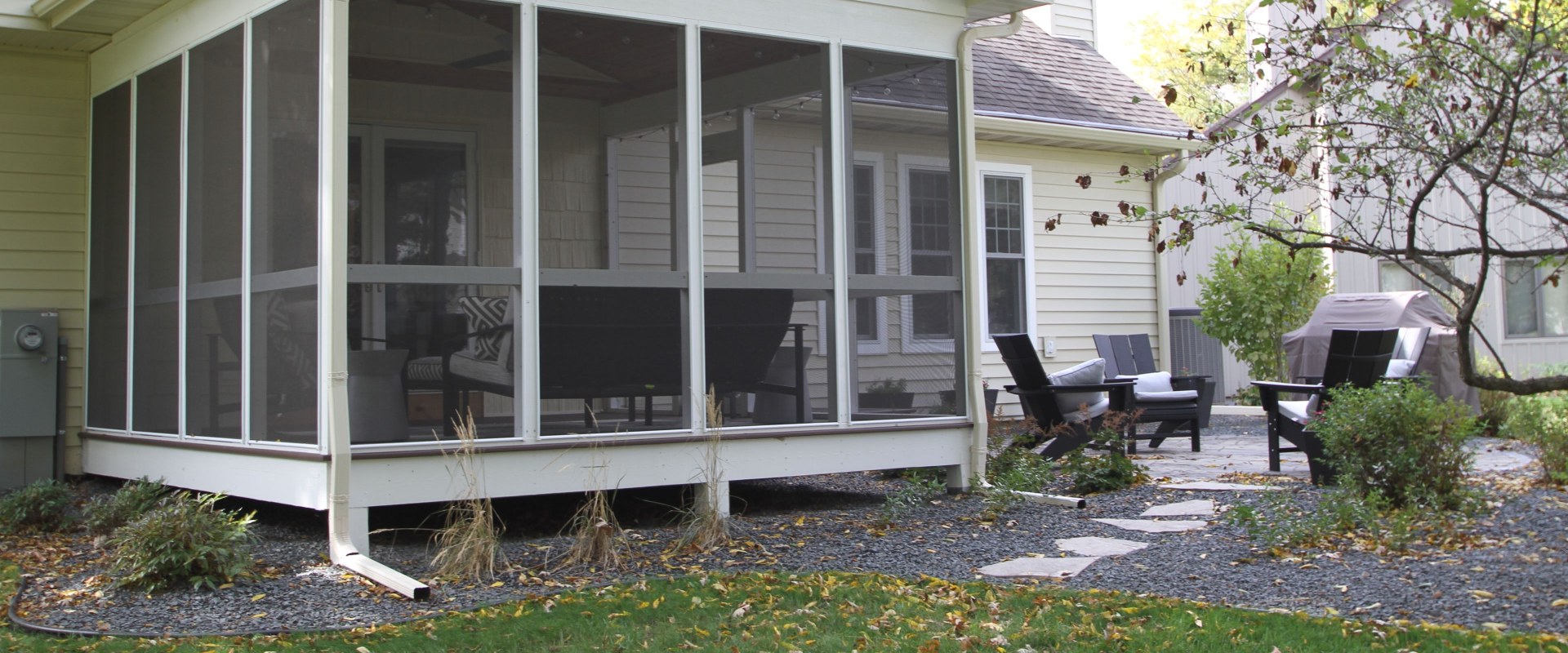
When embarking on a home improvement project, one of the most critical elements to consider is the establishment of a realistic timeline. A well-structured timeline not only serves as a roadmap for your project but also plays a vital role in managing expectations for both you and any contractors involved. Without a clear timeline, projects can easily spiral out of control, leading to delays, budget overruns, and frustration. Understanding the importance of a timeline in home improvement planning cannot be overstated. It allows homeowners to break down the project into manageable phases, ensuring that each step is completed before moving on to the next.
This structured approach helps in identifying potential bottlenecks early on, allowing for adjustments that can save both time and money. Moreover, a timeline fosters accountability among all parties involved, as everyone knows what is expected and when. In addition to keeping the project on track, a well-defined timeline enhances communication between homeowners and contractors. It sets clear milestones and deadlines, which can be crucial for coordinating schedules and resources. By prioritizing this aspect of project management, you not only increase the likelihood of a successful outcome but also create a more enjoyable renovation experience.
Assessing Your Home Improvement Project Scope
When embarking on a home improvement project, the first step is to thoroughly assess the project scope.This involves identifying the specific tasks that need to be completed, the resources required, and any potential challenges that may arise during the process.
Identifying Tasks
- Begin by listing all the tasks involved in your project. For instance, if you are renovating a kitchen, your list might include demolition, plumbing, electrical work, cabinetry installation, and painting.
- Break down larger tasks into smaller, manageable steps. This will help you understand the sequence of activities and how they interconnect.
Resources Needed
- Next, evaluate the resources you will need for each task. This includes materials, tools, and labor.
For example, if you are installing new flooring, you will need to consider the type of flooring material, underlayment, and any specialized tools required for installation.
- Don’t forget to account for permits or inspections that may be necessary for certain projects. Research local regulations to ensure compliance.
Potential Challenges
- Anticipating challenges is crucial for a successful home improvement project. Consider factors such as budget constraints, time limitations, and unexpected issues like structural problems or delays in material delivery.
- Consult with professionals or experienced DIYers to gain insights into common pitfalls associated with your specific project type.
Breaking Down the Project into Phases
Creating a realistic timeline for your home improvement project begins with breaking the project down into manageable phases.This approach not only simplifies the planning process but also allows you to track progress effectively. Here’s how to structure your project into distinct stages:
- Planning and Design: This initial phase involves brainstorming ideas, setting a budget, and designing the layout. Take your time here to ensure that all aspects of the project are considered. Engaging with professionals for design advice can be beneficial.
- Permits and Approvals: Depending on the scope of your home improvement project, you may need to obtain permits.
Research local regulations and allow sufficient time for this phase, as it can vary significantly based on location.
- Demolition: If your project involves tearing down walls or removing fixtures, this phase is crucial. Schedule this after securing permits and ensure that you have a clear plan for debris removal.
- Construction: This is where the bulk of the work happens. Break this phase down further into sub-phases such as framing, electrical work, plumbing, and finishing touches. Each sub-phase should have its own timeline to keep everything organized.
- Inspection: After construction, inspections may be required to ensure everything meets safety standards.
Factor in time for any necessary adjustments based on inspection feedback.
- Finishing Touches: This final phase includes painting, flooring installation, and decorating. It’s essential to allocate enough time here to avoid rushing through these important details.
Estimating Time for Each Phase
Creating a realistic timeline for your home improvement project begins with a thorough understanding of the various phases involved. Each phase can vary significantly in duration based on the complexity of the tasks and the resources available.Here’s how to effectively estimate the time required for each phase:
- Define Project Phases: Break down your project into distinct phases such as planning, demolition, construction, and finishing. This will help you focus on each segment individually.
- Assess Complexity: Evaluate the complexity of each phase. For instance, a simple paint job may take a few days, while a kitchen remodel could span several weeks. Consider factors like structural changes, plumbing, and electrical work that may extend timelines.
- Resource Availability: Take stock of your available resources, including labor and materials.
If you’re hiring contractors, consult with them to get their input on how long they expect each phase to take.
- Consult Similar Projects: Look at timelines from similar home improvement projects you or others have completed. This can provide a realistic benchmark for your own project.
- Buffer Time: Always include buffer time in your estimates. Unexpected delays can occur due to weather, supply chain issues, or unforeseen complications. Adding an extra 10-20% to your estimated time can help accommodate these surprises.
Use project management tools or simple spreadsheets to visualize the timeline and ensure that all phases are aligned. Regularly review and adjust your timeline as needed to stay on track throughout your home improvement journey.
Incorporating Buffer Time into Your Timeline
When planning your home improvement project, one of the most critical aspects to consider is the incorporation of buffer time into your timeline. This additional time serves as a safety net, allowing for unforeseen circumstances that could delay your project.Understanding Project Delays
- Weather Conditions: Inclement weather can halt outdoor work, pushing back your schedule.
- Supply Chain Issues: Delays in material delivery can significantly impact your timeline.
- Labor Availability: Unexpected absences or scheduling conflicts with contractors can lead to delays.
- Assess Potential Risks: Identify areas where delays are most likely to occur and allocate extra time accordingly.
- Add a Percentage of Time: Consider adding 10-20% more time to each phase of your project.
For example, if a task is estimated to take two weeks, plan for at least 2.5 to 3 weeks.
- Review and Adjust Regularly: As the project progresses, continuously evaluate your timeline and adjust buffer times as necessary based on current progress and any new challenges that arise.
The Importance of Contingency Planning
Incorporating buffer time is not just about padding your schedule; it’s a form of contingency planning. This proactive approach ensures that you remain on track even when faced with unexpected challenges. By planning for the unexpected, you can minimize stress and maintain momentum throughout your home improvement project.Ultimately, a well-thought-out timeline that includes buffer time will lead to smoother execution and greater satisfaction with the final results of your home improvement efforts.
Setting Milestones and Deadlines
Creating a realistic timeline for your home improvement project involves setting clear milestones and deadlines. These elements are crucial for tracking progress and ensuring that your project stays on schedule.Here’s how to effectively establish these components:
Identify Key Milestones
Start by breaking down your project into manageable phases. Each phase should have specific goals that contribute to the overall completion of the project. For example:- Planning and Design: Finalize designs and obtain necessary permits.
- Demolition: Complete any necessary demolition work.
- Construction: Begin construction, focusing on structural elements first.
- Finishing Touches: Install fixtures, paint, and complete final inspections.
Set Realistic Deadlines
Once you have identified your milestones, assign realistic deadlines to each phase. Consider factors such as:- The complexity of the tasks involved.
- The availability of materials and labor.
- Your own schedule and any potential disruptions.
This will help you maintain momentum without feeling overwhelmed.
Track Your Progress
To keep your project on track, regularly review your progress against the established milestones and deadlines. Use a project management tool or a simple spreadsheet to document completed tasks and any adjustments needed. This will not only help you stay organized but also keep you motivated as you see tangible progress towards your home improvement goals.By setting clear milestones and deadlines, you can create a structured timeline that guides your home improvement project from start to finish, ensuring that you stay focused and motivated throughout the process.Tools and Resources for Timeline Creation
Creating a realistic timeline for your home improvement project is crucial for ensuring that everything runs smoothly. Fortunately, there are numerous tools and resources available to help you manage your timeline effectively.Timeline Tools
- Gantt Charts: These visual tools allow you to map out your project phases and tasks over time.
Software like Microsoft Project or online platforms such as GanttPRO can help you create detailed Gantt charts.
- Spreadsheets: Simple yet effective, spreadsheets can be customized to track tasks, deadlines, and progress. Google Sheets or Excel can be used to create a timeline that suits your specific needs.
- Mobile Apps: Apps like Trello or Asana offer mobile-friendly interfaces for managing tasks on the go. You can set deadlines, assign tasks, and monitor progress from your smartphone.
Project Management Software
For more complex projects, consider using dedicated project management software. These platforms often come with built-in features that facilitate timeline creation:- Basecamp: This tool allows you to create to-do lists, set deadlines, and communicate with team members all in one place.
- Monday.com: Known for its visual project tracking capabilities, Monday.com helps you visualize timelines and dependencies between tasks.
- Smartsheet: Combining the functionality of spreadsheets with project management features, Smartsheet is excellent for creating detailed timelines and tracking progress.
Home Improvement Resources
In addition to software tools, various online resources can provide guidance on creating timelines for your home improvement projects:- YouTube Tutorials: Many DIY experts share their experiences and tips on creating effective timelines for home projects.
- Home Improvement Blogs: Websites like Houzz or This Old House often feature articles that include sample timelines for different types of projects.
- Community Forums: Engaging with communities on platforms like Reddit or specialized home improvement forums can provide insights and real-life examples of project timelines.
Common Challenges in Home Improvement Timelines and How to Overcome Them
Creating a realistic timeline for your home improvement project can be fraught with challenges.Understanding these common obstacles and knowing how to navigate them is crucial for a successful renovation.
- Unforeseen Delays: One of the most significant challenges in home improvement timelines is unexpected delays. These can arise from various factors, such as weather conditions, supply chain issues, or even contractor availability. To mitigate this, always build in extra time for each phase of your project. A good rule of thumb is to add an additional 20% to your estimated timeline.
- Budget Constraints: Financial limitations can also impact your timeline.
If you run out of funds midway through a project, it can halt progress. To overcome this, create a detailed budget before starting and include a contingency fund of at least 10-15% for unexpected expenses.
- Scope Creep: As you dive into your home improvement project, you may find yourself wanting to add more features or changes. This phenomenon, known as scope creep, can significantly extend your timeline. To avoid this, clearly define the scope of your project at the outset and stick to it unless absolutely necessary.
- Lack of Communication: Poor communication with contractors or team members can lead to misunderstandings and delays.
Establish regular check-ins and updates to ensure everyone is on the same page. Utilize project management tools to keep track of progress and responsibilities.
FAQs About Creating a Home Improvement Timeline
Creating a realistic timeline for your home improvement project can be challenging, and it's common to have questions. Here are some frequently asked questions that can help clarify the process:- How long should I expect my home improvement project to take?
The duration of your project depends on its scope.Smaller projects, like painting a room, may take a few days, while larger renovations, such as a kitchen remodel, can take several weeks or even months. Always allow for unexpected delays.
- What factors can affect my timeline?
Several factors can impact your home improvement timeline, including: - Availability of materials
- Weather conditions (for outdoor projects)
- Permitting and inspections
- Contractor schedules
- How do I account for unexpected delays?
It's wise to build in a buffer period into your timeline. A good rule of thumb is to add an extra 10-20% of the estimated time to accommodate unforeseen issues. - Should I prioritize certain tasks?
Yes! Prioritizing tasks can help streamline your project. Focus on structural changes first, followed by cosmetic updates.This approach ensures that foundational work is completed before moving on to aesthetics.
- What if I need to adjust my timeline?
Flexibility is key in any home improvement project. If you find that certain tasks are taking longer than expected, communicate with your contractor or team to adjust the timeline accordingly.
Conclusion: Final Thoughts on Your Home Improvement Timeline
In conclusion, creating a realistic timeline for your home improvement project is essential for ensuring its success. A well-structured timeline not only helps you stay organized but also allows you to manage your resources effectively and minimize stress throughout the process.To recap, here are the key points to consider when developing your timeline:- Define Your Goals: Clearly outline what you want to achieve with your home improvement project. This will guide your planning and help you set realistic deadlines.
- Break Down the Project: Divide the project into smaller, manageable tasks.
This makes it easier to estimate timeframes and track progress.
- Consult Professionals: If necessary, seek advice from contractors or specialists who can provide insights on timelines based on their experience.
- Account for Delays: Always include buffer time in your schedule to accommodate unexpected issues that may arise during the project.
- Stay Flexible: Be prepared to adjust your timeline as needed. Home improvement projects can be unpredictable, and adaptability is key to overcoming challenges.