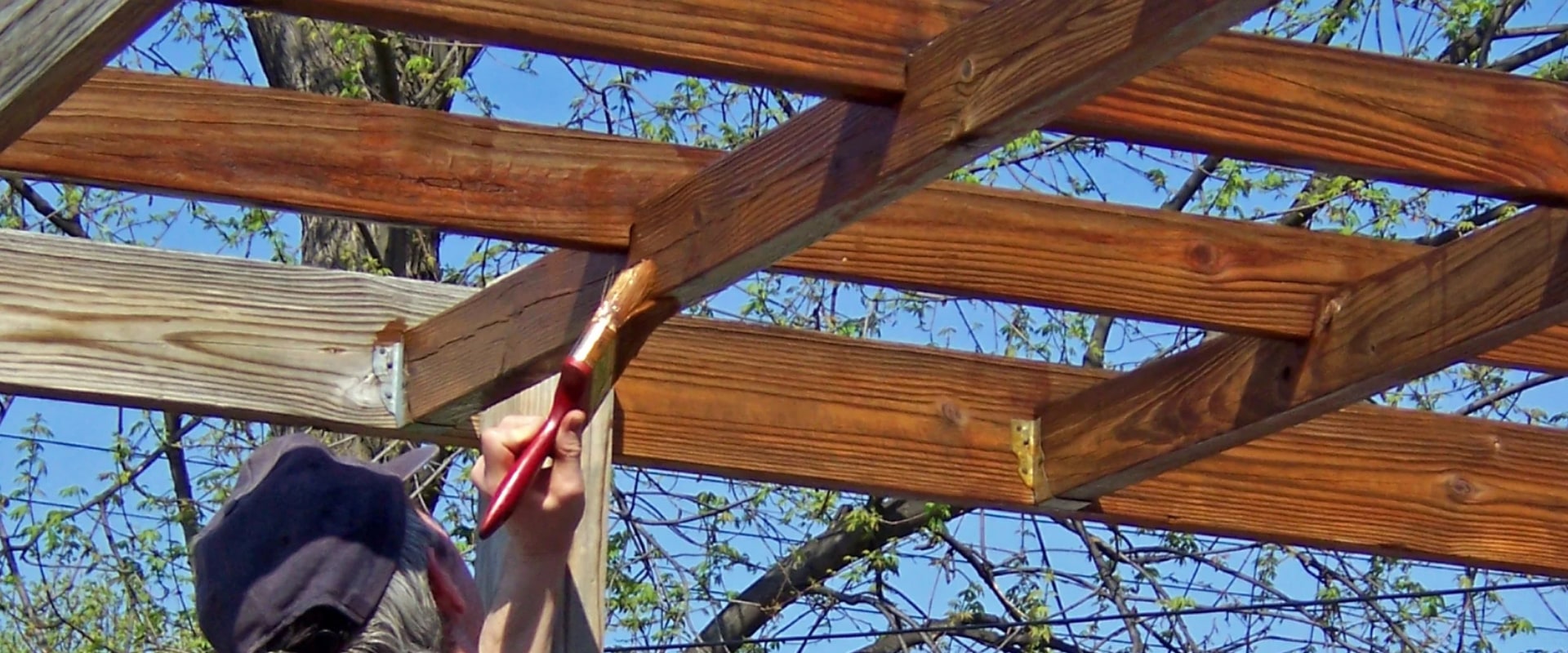
In an era where climate change and environmental degradation are pressing concerns, eco-friendly home improvement has emerged as a vital aspect of sustainable living. Homeowners are increasingly recognizing the importance of making choices that not only enhance their living spaces but also contribute positively to the planet. By opting for green home upgrades, individuals can reduce their carbon footprint, conserve resources, and create healthier environments for themselves and their families, all while seeking legal assistance to navigate any regulations or incentives related to these improvements. Understanding the significance of eco-friendly home improvement goes beyond mere aesthetics; it encompasses a holistic approach to living sustainably. From energy-efficient appliances to sustainable building materials, every decision made during a home renovation can have lasting impacts on both the environment and personal well-being. , individuals can reduce their carbon footprint, conserve resources, and create healthier environments for themselves and their families, all while seeking legal assistance to navigate any regulations or incentives related to these improvements. Understanding the significance of eco-friendly home improvement goes beyond mere aesthetics; it encompasses a holistic approach to living sustainably. From energy-efficient appliances to sustainable building materials, every decision made during a home renovation can have lasting impacts on both the environment and personal well-being.
As we delve deeper into this topic, it becomes clear that these improvements are not just trends but essential steps toward a more sustainable future. Moreover, eco-friendly home improvements often lead to long-term financial savings. While the initial investment may seem daunting, many green upgrades result in lower utility bills and increased property value over time. This dual benefit of environmental responsibility and economic advantage makes sustainable living an appealing choice for homeowners looking to make a positive impact.
Energy-Efficient Upgrades
When considering energy-efficient home improvements, homeowners can significantly reduce their energy consumption and lower utility bills. Here are some key upgrades to consider:- Insulation: Proper insulation is crucial for maintaining a comfortable indoor temperature.
Upgrading your insulation in attics, walls, and floors can prevent heat loss in winter and keep your home cool in summer. This not only enhances comfort but also reduces the need for heating and cooling systems to work overtime.
- Energy-Efficient Windows: Replacing old windows with energy-efficient windows can drastically improve your home’s energy performance. Look for double or triple-pane windows with low-emissivity (Low-E) coatings that reflect heat back into your home during winter and keep it out during summer.
- Smart Thermostats: Installing a smart thermostat allows you to optimize your heating and cooling schedules based on your lifestyle. These devices learn your habits and adjust temperatures accordingly, leading to significant energy savings.
- Eco-Friendly Appliances: Upgrading to eco-friendly appliances, such as ENERGY STAR-rated refrigerators, washing machines, and dishwashers, can reduce energy consumption by up to 50%.
These appliances are designed to use less water and electricity without sacrificing performance.
Sustainable Materials for Home Renovation
When considering sustainable materials for home renovation, it's essential to choose options that not only enhance the aesthetic appeal of your space but also contribute positively to the environment. Here are some popular choices:- Bamboo: This rapidly renewable resource is an excellent alternative to traditional hardwoods. Bamboo grows quickly and can be harvested without damaging the ecosystem, making it a top choice for flooring, cabinetry, and furniture.
- Reclaimed Wood: Utilizing wood salvaged from old buildings or furniture not only reduces waste but also adds character and history to your home.
Reclaimed wood can be used for beams, flooring, and accent walls, providing a rustic charm while minimizing the demand for new lumber.
- Recycled Products: Many manufacturers now offer products made from recycled materials, such as glass tiles, metal roofing, and insulation. These materials help divert waste from landfills and often require less energy to produce compared to their virgin counterparts.
Water Conservation Techniques
Water conservation is a crucial aspect of eco-friendly home improvement, as it not only helps in reducing utility bills but also contributes to the sustainability of our planet.Implementing water-saving home improvements can significantly decrease water usage without sacrificing comfort or convenience.
Low-Flow Fixtures
One of the simplest ways to conserve water is by installing low-flow fixtures. These include:- Low-flow showerheads: These devices can reduce water flow to less than 2.5 gallons per minute, providing a satisfying shower experience while using significantly less water.
- Low-flow faucets: Replacing standard faucets with low-flow models can cut water usage by up to 30% without compromising performance.
- Dual-flush toilets: These toilets offer two flushing options, allowing users to choose a lower volume for liquid waste, which can save up to 13,000 gallons of water per year for a family of four.
Eco-Friendly Plumbing Solutions
In addition to low-flow fixtures, consider upgrading your plumbing system with eco-friendly materials. For instance, using PVC-free pipes and fixtures made from recycled materials can minimize environmental impact. Furthermore, regular maintenance of plumbing systems can prevent leaks, which are a significant source of water waste.Rainwater Harvesting Systems
Another effective method for conserving water is the installation of a rainwater harvesting system.This system collects rainwater from rooftops and stores it for later use. Here are some benefits:
- Reduces reliance on municipal water supply: By using harvested rainwater for irrigation, washing cars, or even flushing toilets, homeowners can significantly lower their water bills.
- Promotes sustainable landscaping: Utilizing rainwater for gardens and lawns encourages the use of native plants that require less water.
- Decreases stormwater runoff: Harvesting rainwater helps reduce the amount of runoff that can lead to erosion and pollution in local waterways.
Indoor Air Quality Improvements
Improving indoor air quality is essential for creating a healthy living environment. Many homeowners are unaware that the air inside their homes can be more polluted than outdoor air, often due to common household products and materials.By implementing eco-friendly home improvement options, you can significantly enhance the air quality in your home.One effective way to improve indoor air quality is by installing eco-friendly ventilation systems. These systems help circulate fresh air while reducing the buildup of indoor pollutants. Consider options such as energy recovery ventilators (ERVs) or heat recovery ventilators (HRVs), which not only provide fresh air but also maintain energy efficiency by transferring heat between incoming and outgoing air.In addition to ventilation, using non-toxic home improvements can greatly reduce harmful emissions. When selecting paints, finishes, and cleaning products, look for those labeled as low-VOC (volatile organic compounds) or zero-VOC.
These products emit fewer harmful chemicals into the air, making your home safer for you and your family.Another valuable addition to your home is an air purifier. High-quality air purifiers equipped with HEPA filters can capture allergens, dust, and other particulates, significantly improving the overall air quality. For optimal results, choose a purifier that is appropriately sized for your space and consider models that also offer activated carbon filters to reduce odors and chemical vapors.Finally, incorporating indoor plants can naturally enhance air quality. Plants such as spider plants, peace lilies, and snake plants are known for their ability to filter toxins from the air while also adding aesthetic value to your home.
Not only do they improve air quality, but they also contribute to a calming atmosphere.By focusing on these eco-friendly options for improving indoor air quality, you can create a healthier living space that benefits both your well-being and the environment.
Landscaping with Native Plants
Landscaping with native plants is an increasingly popular choice for homeowners looking to create sustainable outdoor spaces. These plants are naturally adapted to the local climate and soil conditions, making them easier to maintain and more resilient than non-native species.One of the primary benefits of using native plants in your garden is their ability to support local ecosystems. By incorporating these plants, you provide essential habitats for native wildlife, including birds, butterflies, and beneficial insects. This biodiversity not only enhances the beauty of your landscape but also contributes to a healthier environment.Additionally, native plants are typically more drought-resistant than their non-native counterparts.This means they require less water, which is particularly important in areas prone to drought or water restrictions. By reducing your water usage, you not only save on utility bills but also contribute to conservation efforts.
- Low Maintenance: Native plants generally require less care, as they are well-suited to local conditions.
- Soil Health: These plants help improve soil quality by promoting healthy microbial activity.
- Pest Resistance: Native species are less susceptible to pests and diseases, reducing the need for chemical treatments.
By choosing these plants, you can enjoy a beautiful outdoor space that supports local ecosystems while minimizing water usage and maintenance efforts.
Renewable Energy Solutions for Homes
Incorporating renewable energy solutions into your home not only contributes to a sustainable future but can also lead to significant savings on energy bills. Two of the most popular options are solar panels and wind turbines.Solar Panels Installation
Solar panels harness sunlight and convert it into electricity, making them an excellent choice for homeowners looking to reduce their carbon footprint. The installation process typically involves:- Assessing your roof's suitability for solar panel installation.
- Selecting the right type of solar panels based on efficiency and budget.
- Working with a certified installer to ensure proper setup and compliance with local regulations.
Wind Energy for Homes
Wind energy is another viable option for homeowners, especially in areas with consistent wind patterns.Small-scale wind turbines can be installed on residential properties to generate electricity. Here are some key points to consider:
- Site Assessment: Before installation, it's crucial to evaluate wind speeds and zoning regulations in your area.
- Turbine Selection: Choose a turbine that fits your energy needs and complies with local guidelines.
- Installation Costs: While the upfront costs can be high, the long-term savings on energy bills can make it worthwhile.
Eco-Friendly DIY Projects
Embracing eco-friendly DIY projects not only enhances your home but also contributes to a healthier planet.Here are some innovative and sustainable home improvement ideas that you can tackle on your own:
- Upcycled Furniture: Transform old furniture into new treasures. Sand down a wooden chair and repaint it with non-toxic paint, or reupholster a couch using organic fabrics.
- Rainwater Harvesting System: Install a rain barrel to collect rainwater from your roof. This water can be used for watering plants, reducing your reliance on municipal water.
- Solar-Powered Outdoor Lighting: Replace traditional outdoor lights with solar-powered options. These lights charge during the day and illuminate your garden at night without increasing your energy bill.
- Composting Bin: Create a composting system in your backyard using wooden pallets or a large plastic bin.
Composting reduces waste and provides nutrient-rich soil for your garden.
- Natural Insulation: Use materials like sheep's wool, cotton, or recycled denim to insulate your home. These materials are sustainable and provide excellent thermal performance.
- Choose Eco-Friendly Materials: Opt for sustainable materials that have low environmental impact, such as reclaimed wood or bamboo.
- Avoid Harmful Chemicals: Use natural paints and finishes that are free from volatile organic compounds (VOCs) to ensure better indoor air quality.
- Plan for Energy Efficiency: Incorporate energy-efficient designs, such as maximizing natural light or using thermal mass to regulate indoor temperatures.
Frequently Asked Questions about Eco-Friendly Home Improvements
When considering eco-friendly home improvements, many homeowners have questions about the best practices and materials to use. Here are some of the most frequently asked questions:- What are eco-friendly home improvements?
Eco-friendly home improvements refer to renovations and upgrades that minimize environmental impact.This includes using sustainable materials, improving energy efficiency, and reducing waste.
- How can I make my home more energy-efficient?
You can enhance energy efficiency by installing energy-efficient windows, adding insulation, using programmable thermostats, and opting for Energy Star-rated appliances. - Are there specific materials I should use?
Yes! Look for materials that are sustainably sourced, such as bamboo flooring, recycled glass tiles, and low-VOC paints. These options not only reduce your carbon footprint but also improve indoor air quality. - What are the benefits of green renovations?
Green renovations can lead to lower utility bills, increased property value, and a healthier living environment. Additionally, they contribute to a more sustainable future by reducing resource consumption. - Can I do eco-friendly improvements on a budget?
Absolutely! Many eco-friendly upgrades can be done affordably. Simple changes like switching to LED lighting or installing low-flow faucets can significantly reduce energy and water usage without breaking the bank.
Embracing sustainable living not only benefits the environment but also enhances the comfort and efficiency of your home.
Conclusion: Embracing Sustainable Home Improvement Practices
In conclusion, embracing sustainable home improvement practices is not just a trend; it is a necessary shift towards a more environmentally responsible lifestyle. As we have explored, there are numerous eco-friendly options available that can enhance the beauty and functionality of your home while minimizing your ecological footprint.From utilizing recycled materials in construction to opting for energy-efficient appliances, each choice contributes to a larger goal of sustainability. By selecting low-VOC paints and finishes, homeowners can improve indoor air quality, making their living spaces healthier for both occupants and the planet.Key Takeaways
- Energy efficiency is paramount; consider solar panels and high-efficiency windows to reduce energy consumption.
- Water conservation methods, such as low-flow fixtures and rainwater harvesting systems, can significantly lower water usage.
- Landscaping with native plants not only enhances curb appeal but also supports local ecosystems.
- Investing in sustainable materials like bamboo or reclaimed wood can add unique character to your home while being environmentally friendly.
Let us take these steps together towards a more sustainable future in home improvement.