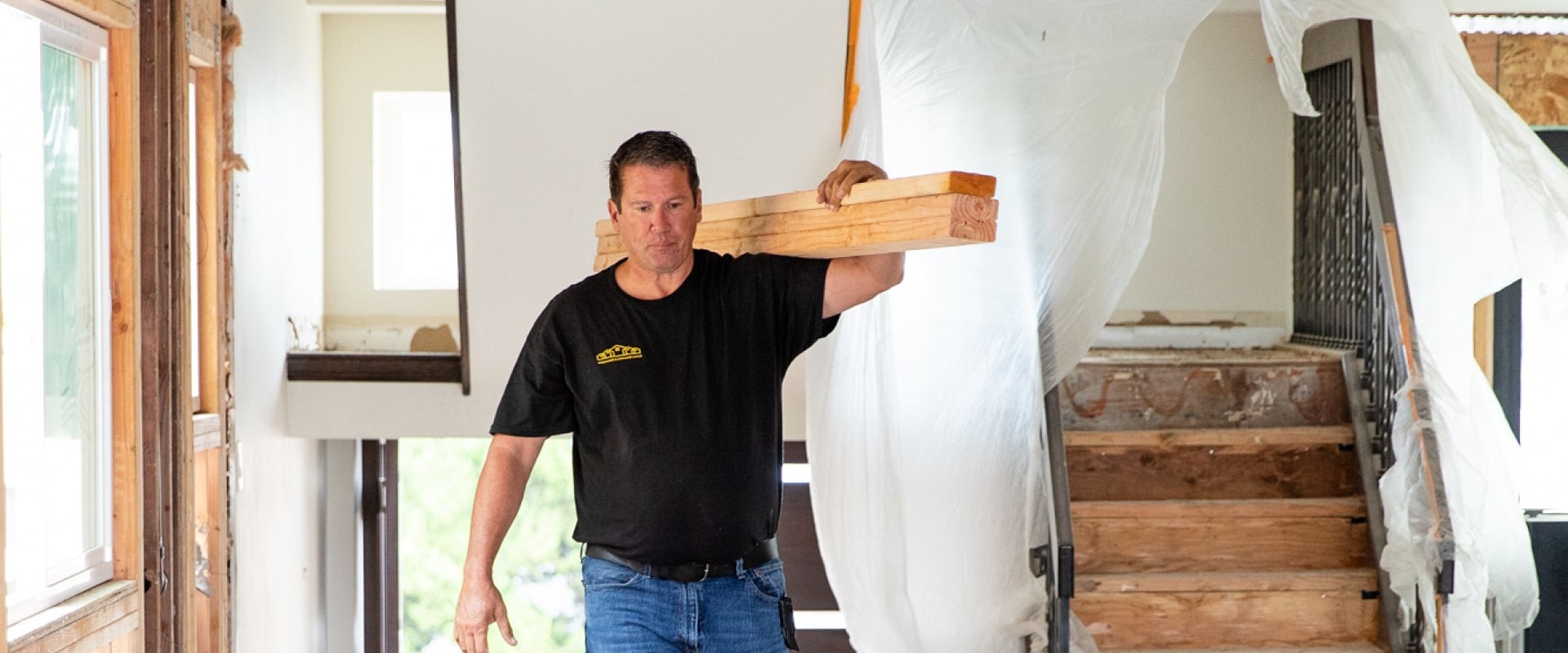
Embarking on a home improvement project can be both exciting and overwhelming. Understanding the scope of your renovation is crucial to ensure that your vision aligns with reality. Start by clearly defining your goals: Are you looking to enhance functionality, increase property value, or simply refresh the aesthetics of your space? Identifying these objectives will guide every decision you make throughout the process, much like how a family law attorney helps clients navigate their legal goals. Next, consider your budget. Establishing a realistic financial plan is essential for any project can be both exciting and overwhelming. Understanding the scope of your renovation is crucial to ensure that your vision aligns with reality. Start by clearly defining your goals: Are you looking to enhance functionality, increase property value, or simply refresh the aesthetics of your space? Identifying these objectives will guide every decision you make throughout the process, much like how a family law attorney helps clients navigate their legal goals. Next, consider your budget. Establishing a realistic financial plan is essential for any renovation planning.
Take into account not only the costs of materials and labor but also potential unexpected expenses that may arise during the project. A well-thought-out budget will help you prioritize features and make informed choices without compromising on quality. Lastly, timelines play a significant role in the success of your home improvement project. Determine how long you expect the renovation to take and factor in any seasonal considerations that might affect construction schedules. By setting a clear timeline, you can manage expectations and minimize disruptions to your daily life. In summary, understanding the scope of your home improvement project involves a careful assessment of your goals, budget, and timeline.
This foundational step will not only streamline the planning process but also set the stage for a successful renovation that meets your needs and enhances your living space.
Creating a Realistic Budget for Your Renovation
Creating a realistic budget for your home improvement project is essential to ensure that you can complete the renovation without financial strain. Start by assessing the scope of your project. Consider what areas of your home need improvement and the extent of the work required. This will help you estimate costs more accurately. Next, break down your budget into specific categories:- Materials: Research the costs of materials needed for your renovation.
Prices can vary significantly based on quality and brand.
- Labor: If you're hiring professionals, get multiple quotes to find a fair price. Don’t forget to factor in any permits or fees associated with hiring contractors.
- Unexpected Costs: It’s wise to set aside at least 10-20% of your total budget for unforeseen expenses. Renovations often uncover hidden issues, such as plumbing or electrical problems.
- Home Equity Loan: This allows you to borrow against the equity in your home, often at lower interest rates.
- Personal Loan: A personal loan can provide quick access to funds but may come with higher interest rates.
- Credit Cards: While convenient, using credit cards for large expenses can lead to high-interest debt if not managed carefully.
This will help you stay within budget and make adjustments as necessary. By planning carefully and being mindful of costs, you can achieve your home improvement goals without breaking the bank.
Choosing the Right Contractors and Professionals
When embarking on a home improvement project, selecting the right contractors and professionals is crucial to ensure a successful outcome. Here are some essential steps to guide you through the process:1.Research and Recommendations
Start by gathering recommendations from friends, family, or neighbors who have recently completed similar projects. Online platforms like Yelp or Angie's List can also provide valuable insights and reviews.Look for contractors who specialize in the type of work you need, whether it’s a kitchen remodel, bathroom renovation, or an addition.
2.Verify Credentials
Once you have a list of potential contractors, verify their credentials. Ensure they are licensed and insured in your state. This not only protects you but also indicates that they adhere to industry standards.You can check their standing with local licensing boards or consumer protection agencies.
3.Conduct Interviews
Schedule interviews with your top choices. Prepare a list of questions to assess their experience, approach to projects, and timelines. Ask about their previous work and request references from past clients.A reputable contractor should be willing to share this information.
4.Get Multiple Estimates
Don’t settle for the first estimate you receive. Obtain at least three detailed quotes from different contractors. This will give you a better understanding of the market rate for your project and help you identify any red flags in pricing.5.Review Contracts Carefully
Before signing any contracts, read them thoroughly. Ensure that all aspects of the project are clearly outlined, including timelines, payment schedules, and materials to be used. Don’t hesitate to ask for clarification on any terms that seem vague.6.Trust Your Instincts
Your comfort level with a contractor is essential.Trust your instincts; if something feels off during your interactions, it may be best to continue your search. Selecting the right professionals for your home improvement project can significantly impact the quality and efficiency of the work done. By following these steps, you can make informed decisions that lead to a successful renovation experience.
Preparing Your Home and Family for Renovation Disruptions
Preparing your home and family for a major renovation is crucial to ensure a smooth process and minimize disruptions. Here are some practical steps to help you navigate this transition effectively.- Establish a Temporary Living Space: If your renovation project is extensive, consider setting up a temporary living area.
This could be a spare room or even a designated space in your garage. Make sure it has essential items like bedding, toiletries, and basic kitchen supplies to make the transition easier.
- Communicate with Your Family: Discuss the renovation plans with your family members, especially children. Explain what to expect during the renovation process, including noise levels and changes in daily routines. Keeping everyone informed can help reduce anxiety and foster cooperation.
- Safety First: Ensure that your home is safe during renovations.
Secure areas that are off-limits to children and pets by using barriers or signs. Additionally, inform your contractor about any specific safety concerns you may have regarding your family’s well-being.
- Organize Your Belongings: Before the renovation begins, declutter and organize your belongings. Remove items from the areas being renovated to prevent damage and make it easier for contractors to work. Consider storing valuable or fragile items in a safe location away from the construction zone.
- Plan for Noise and Dust: Renovations can be noisy and dusty, which can be disruptive to daily life.
Prepare by using noise-canceling headphones or earplugs during particularly loud work hours. Additionally, cover furniture and floors with protective sheets to minimize dust accumulation.
- Set Realistic Expectations: Understand that renovations can take time and may not always go as planned. Be prepared for unexpected delays or changes in the project timeline. Keeping a flexible mindset will help you cope with any inconveniences that arise.
A little planning goes a long way in ensuring that your home improvement project is as stress-free as possible.
Permits and Regulations: What You Need to Know
Before embarking on any home improvement project, understanding the necessary permits and building regulations is crucial. These legal requirements can vary significantly depending on your location and the scope of your renovation. Failing to secure the appropriate permits can lead to fines, delays, and even the need to undo completed work.Types of Permits
- Building Permits: Required for structural changes, such as adding walls or altering the foundation.
- Electrical Permits: Necessary for any electrical work, including rewiring or installing new outlets.
- Plumbing Permits: Needed for modifications to plumbing systems, such as relocating sinks or toilets.
- Zoning Permits: Ensure that your project complies with local zoning laws, which dictate how properties can be used.
Researching Local Regulations
Start by visiting your local government’s website or contacting the building department. They can provide information on what permits are required for your specific project.
Additionally, consider consulting with a professional contractor who is familiar with local regulations. They can help navigate the complexities of the permitting process.
The Application Process
The application process for permits typically involves submitting detailed plans of your renovation, including drawings and specifications. Be prepared to pay application fees and possibly wait several weeks for approval. During this time, local officials may conduct inspections to ensure compliance with safety standards.
Consequences of Non-Compliance
Ignoring permit requirements can have serious repercussions.
If caught, you may face hefty fines and be required to remove or alter unpermitted work. In some cases, it could even affect your home’s resale value. Therefore, it’s essential to prioritize obtaining all necessary permits before starting your home improvement project.
Designing Your Renovation: Tips and Trends
When embarking on a home improvement project, understanding the latest design trends can significantly enhance the outcome of your renovation. Here are some key tips and ideas to consider:- Embrace Open Spaces: Modern designs favor open floor plans that create a sense of flow and connectivity.
Consider removing non-structural walls to achieve a more spacious feel.
- Incorporate Natural Light: Large windows, skylights, and glass doors not only brighten up your space but also connect the indoors with the outdoors. This trend promotes a healthier living environment.
- Sustainable Materials: Eco-friendly materials are gaining popularity. Look for reclaimed wood, bamboo flooring, and recycled glass to create a stylish yet sustainable home.
- Bold Colors and Patterns: While neutral tones remain timeless, bold colors and patterns are making a comeback. Consider an accent wall or vibrant tiles in kitchens and bathrooms to add personality.
- Smart Home Technology: Integrating technology into your home design can enhance convenience and efficiency.
Smart thermostats, lighting systems, and security features are not just functional but also trendy.
- Plan for Functionality: Think about how you use each space. Design with purpose—whether it’s creating a cozy reading nook or an efficient kitchen layout.
- Mix Textures: Combining different textures can add depth to your design. Pair smooth surfaces with rough finishes for a balanced look.
- Personal Touches: Incorporate elements that reflect your personality, such as artwork or family photos, to make the space uniquely yours.
FAQs About Preparing for Home Renovations
Preparing for a home renovation can be overwhelming, and it's common to have questions about the process.Here are some frequently asked questions that can help guide you through your preparation.
What should I do first when preparing for a renovation?
The first step is to clearly define your home improvement goals. Consider what areas of your home need renovation and what your budget is. Once you have a clear vision, create a detailed plan that includes timelines and potential contractors.How can I minimize disruption during the renovation?
To minimize disruption, consider the following tips:- Establish a temporary living space: If the renovation affects essential areas like the kitchen or bathroom, set up a temporary space to maintain daily routines.
- Communicate with your contractor: Keep an open line of communication with your contractor to stay updated on progress and any changes to the schedule.
- Plan for noise and dust: Prepare your home by sealing off areas not under renovation and using air purifiers to reduce dust.
What permits do I need for my renovation?
The need for permits varies based on the scope of your project and local regulations. Generally, major renovations such as structural changes, electrical work, or plumbing updates require permits.Check with your local building department to ensure compliance.
How can I stay on budget during my renovation?
Staying on budget is crucial for any home improvement project. Here are some strategies:- Create a detailed budget: Include all potential costs, such as materials, labor, and unexpected expenses.
- Prioritize your needs: Focus on essential renovations first and consider deferring non-essential upgrades.
- Get multiple quotes: Compare estimates from different contractors to find the best value without compromising quality.