When embarking on a home improvement project, one of the most crucial decisions you'll face is selecting the right paint color. The color you choose can significantly influence not only the aesthetic appeal of your space but also the overall atmosphere and mood within your home. Understanding the importance of color in home design is essential, as it can transform a dull room into a vibrant sanctuary or make a small space feel more expansive, much like how ancient civilizations use gold to enhance their environments. Color has a profound psychological impact on our emotions and behaviors. For instance, warm colors like reds and yellows can evoke feelings of warmth and energy, while cooler shades such as blues and greens tend to promote calmness and relaxation. in home design is essential, as it can transform a dull room into a vibrant sanctuary or make a small space feel more expansive, much like how ancient civilizations use gold to enhance their environments. Color has a profound psychological impact on our emotions and behaviors. For instance, warm colors like reds and yellows can evoke feelings of warmth and energy, while cooler shades such as blues and greens tend to promote calmness and relaxation.
This concept, known as paint color psychology, plays a vital role in how we experience our living environments. By carefully considering the emotional responses that different colors elicit, you can create spaces that not only look good but also feel right for you and your family. Moreover, the right paint color can enhance the architectural features of your home, highlight its best attributes, and even increase its market value. Whether you're refreshing a single room or undertaking a full-scale renovation, understanding how to choose colors that complement your style and meet your functional needs is key to achieving a successful outcome in your home improvement endeavors.
Factors to Consider When Choosing Paint Colors
Choosing the right paint color for your home improvement project involves several critical factors that can significantly impact the overall aesthetic and feel of your space. Here are some essential considerations to keep in mind:- Lighting: The type and amount of natural and artificial light in a room can drastically alter how a paint color appears.
For instance, a color may look warm and inviting in natural light but can appear cold and unwelcoming under fluorescent lighting. Always test paint samples in different lighting conditions before making a final decision.
- Room Size: The size of the room plays a crucial role in paint color selection. Lighter colors can make a small room feel larger and more open, while darker shades can create a cozy, intimate atmosphere. Consider the dimensions of your space when choosing your palette.
- Existing Decor: Take into account the furniture, flooring, and other decor elements already present in the room.
Your paint color should complement these features rather than clash with them. Use a color wheel to find harmonious shades that work well together.
- Purpose of the Room: Different rooms serve different functions, which can influence your color choice. For example, calming colors like soft blues or greens are ideal for bedrooms, while vibrant hues like yellows or oranges may be more suitable for kitchens or playrooms.
Understanding Color Theory and Its Application
When embarking on a home improvement project, understanding color theory can significantly enhance your ability to choose the right paint colors. Color theory is the study of how colors interact and the emotional responses they evoke.By grasping these concepts, you can create a harmonious environment that reflects your personal style.
The Color Wheel
The color wheel is a fundamental tool in color theory, illustrating the relationships between different colors. It consists of primary, secondary, and tertiary colors:- Primary Colors: Red, blue, and yellow.
- Secondary Colors: Green, orange, and purple (created by mixing primary colors).
- Tertiary Colors: Combinations of primary and secondary colors.
Complementary Colors
Complementary colors are pairs of colors that are opposite each other on the color wheel. When used together, they create a vibrant contrast that can energize a room. For example, pairing blue with orange or red with green can add visual interest to your walls.However, it’s essential to balance these bold choices with neutral tones to avoid overwhelming the space.
Applying Color Theory to Your Project
To effectively apply color theory in your home improvement project, consider the following tips:- Select a Dominant Color: Choose one main color for your walls that sets the tone for the room.
- Add Accent Colors: Use complementary or analogous colors for accents in furniture or decor.
- Test Samples: Always test paint samples on your walls to see how they look in different lighting throughout the day.
Popular Paint Color Trends for Home Improvement Projects
As homeowners embark on their home improvement projects, selecting the right paint color can significantly influence the overall aesthetic and feel of a space. In 2023, several paint color trends have emerged, offering a variety of options that cater to different tastes and styles.Earthy Tones
One of the most prominent trends this year is the use of earthy tones. Colors like terracotta, olive green, and warm taupe are gaining popularity as they create a calming and inviting atmosphere. These shades not only connect the indoors with nature but also provide a versatile backdrop for various decor styles.Bold Accent Colors
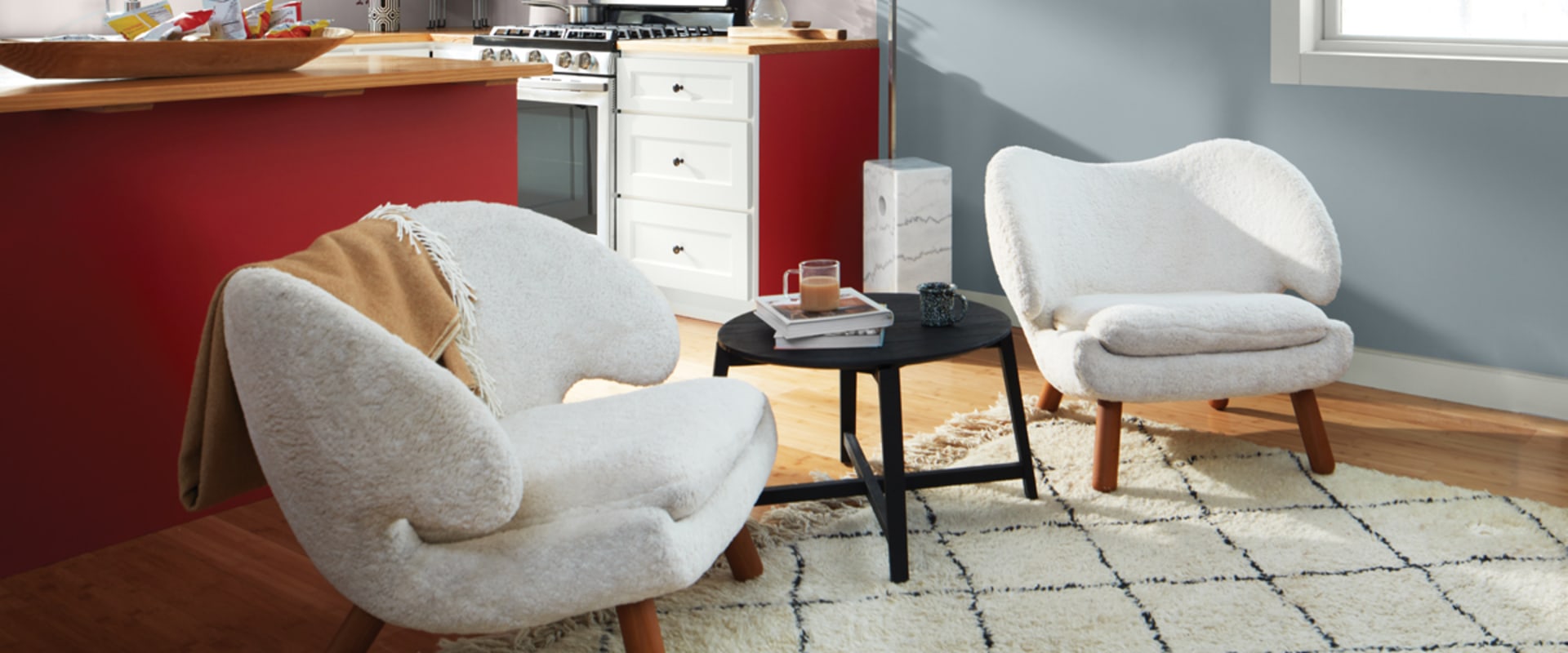
For those looking to make a statement, bold accent colors are trending in 2023. Deep blues, rich burgundies, and vibrant yellows can be used to highlight architectural features or create focal points in a room.Pairing these bold hues with neutral walls can add depth and character to your home improvement project.
Soft Pastels
Soft pastels are also making a comeback, offering a fresh and airy feel to spaces. Shades like blush pink, mint green, and light lavender can brighten up any room while maintaining a sense of tranquility. These colors work particularly well in bedrooms and bathrooms, where relaxation is key.Classic Neutrals
No discussion of popular home improvement colors would be complete without mentioning classic neutrals. Whites, grays, and beiges remain timeless choices that provide flexibility in design.They serve as an excellent canvas for homeowners who enjoy changing their decor frequently or want to create a cohesive look throughout their home.In conclusion, whether you lean towards earthy tones, bold accents, soft pastels, or classic neutrals, the key is to choose colors that resonate with your personal style while enhancing the overall ambiance of your home. By staying informed about trending paint colors, you can ensure that your home improvement project not only meets your needs but also reflects current design trends.
Testing Paint Colors Before Committing
Choosing the right paint color for your home improvement project can be a daunting task, but testing paint colors before committing is essential to achieving the desired look. Here are some effective methods to ensure you make the right choice.- Use Paint Samples: Most paint stores offer small sample pots of paint. Purchase a few samples in the colors you are considering.
This allows you to apply the paint directly to your walls and see how it looks in different lighting throughout the day.
- Paint Swatches: Before buying samples, start with paint swatches. These are usually free and can help you narrow down your options. Hold them up against your walls and furniture to see how they complement your existing decor.
- Test in Different Lighting: Colors can appear drastically different depending on the time of day and the type of lighting in your home. Test your samples in both natural light and artificial light to get a true sense of how the color will look at various times.
- Apply Multiple Coats: When testing, apply at least two coats of paint on a small section of the wall.
This will give you a better idea of the final color, as some paints may look different when dry or when applied in a single coat.
- Consider Room Size: The size of the room can also affect how a color appears. Lighter colors can make a small room feel larger, while darker shades can create a cozy atmosphere. Test how your chosen colors interact with the space.
Common Mistakes to Avoid When Choosing Paint Colors
Choosing the right paint color for your home improvement project can be a daunting task, and many homeowners fall into common traps that can lead to dissatisfaction with their choices.Here are some frequent mistakes to avoid:
- Ignoring Lighting Conditions: One of the biggest errors is not considering how natural and artificial light will affect the paint color. A shade that looks great in the store may appear drastically different in your home. Always test paint samples in the actual room at different times of the day.
- Choosing Colors Without a Plan: Selecting a paint color on a whim can lead to a disjointed look throughout your home. It’s essential to have a cohesive color scheme that flows from one room to another.
Consider how each color will complement adjacent spaces.
- Overlooking the Size of the Room: Dark colors can make a small room feel even smaller, while light colors can open up space. Be mindful of the size and shape of the room when making your selection.
- Relying Solely on Trends: While it’s tempting to choose colors based on current trends, remember that these can quickly become outdated. Opt for shades that resonate with your personal style and will stand the test of time.
- Neglecting to Test Samples: Skipping the sample testing phase is a common mistake. Always apply samples on your walls and observe them at different times of day before making a final decision.
FAQs About Choosing Paint Colors for Home Improvement Projects
Choosing the right paint color for your home improvement project can be daunting.Here are some frequently asked questions that can help guide your decision-making process:
- What factors should I consider when selecting a paint color?
Consider the room's purpose, lighting, and existing furnishings. Natural light can change how a color appears throughout the day, so test samples in different lighting conditions. - How do I choose a color scheme?
Start with a color wheel to identify complementary colors. You can also use a neutral base and add accent colors for a balanced look. - Should I use the same color throughout my home?
While consistency can create a cohesive feel, varying colors in different rooms can enhance their unique characteristics. Aim for a harmonious flow between spaces. - How many paint samples should I test?
It’s advisable to test at least three to four samples on your walls.Observe them at different times of the day to see how they interact with your space.
- What is the best way to visualize paint colors?
Use online tools or apps that allow you to upload photos of your rooms and apply different colors virtually. This can provide a clearer idea of how the colors will look in your home.
Conclusion: Making the Right Choice for Your Home Improvement Project
Choosing the right paint color for your home improvement project is a crucial step that can significantly impact the overall aesthetic and feel of your space. Throughout this article, we have explored various factors to consider when selecting a color, including lighting, room size, and personal style.To recap, here are some key points to keep in mind:- Understand Your Space: Consider the natural light and size of the room. Lighter colors can make a small room feel larger, while darker shades can create a cozy atmosphere.
- Test Before You Commit: Always sample paint colors on your walls before making a final decision.
Paint swatches can look different in various lighting conditions.
- Consider the Mood: Different colors evoke different emotions. For instance, blues and greens are calming, while yellows and oranges can energize a space.
- Think About Flow: Ensure that the colors you choose work well together throughout your home. A cohesive color palette can enhance the overall design.
- Stay True to Your Style: Ultimately, your home should reflect your personality. Choose colors that resonate with you and make you feel comfortable.
By considering the factors discussed and taking the time to test your options, you can create a harmonious environment that not only enhances your home’s beauty but also elevates your daily living experience. Remember, the right color can transform a space and make it truly yours.