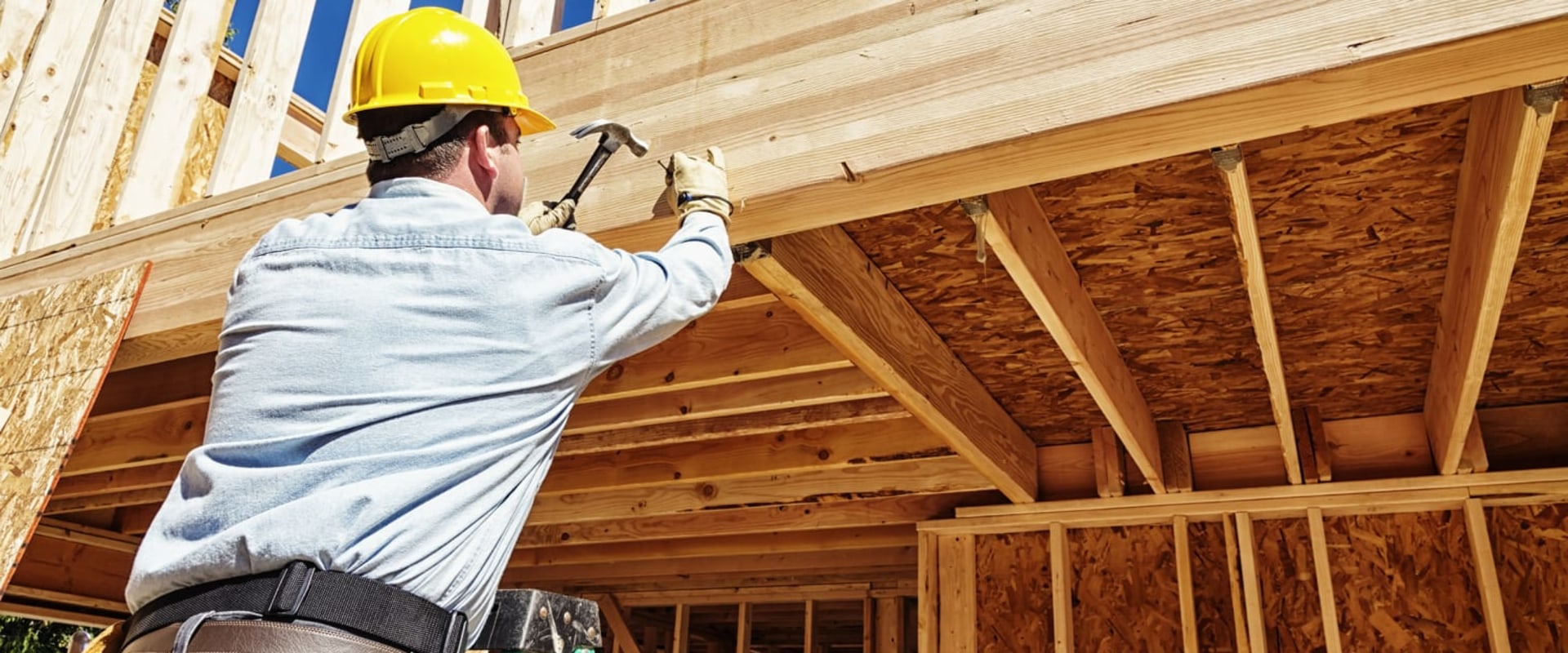
When embarking on a home improvement project, understanding the role of subcontractors is crucial for ensuring a successful outcome. Subcontractors are specialized professionals who are hired to perform specific tasks within a larger project, allowing the primary contractor to focus on overall project management. Their expertise can range from plumbing and electrical work to carpentry and landscaping, making them invaluable assets in transforming your vision into reality. In many cases, subcontractors bring a level of skill and experience that is essential for high-quality results. For instance, hiring a licensed electrician for wiring ensures compliance with safety standards and local codes, which is something a general contractor may not be equipped to handle alone.
This specialization not only enhances the quality of work but also helps in adhering to timelines and budgets, as each subcontractor is adept at their specific trade. Moreover, effective communication between you, the general contractor, and the subcontractors is vital. It fosters collaboration and ensures that everyone is aligned with the project goals. By understanding how subcontractors fit into the broader scope of your home improvement project, you can make informed decisions that lead to a smoother process and ultimately, a more satisfying outcome.
Identifying Your Home Improvement Needs
Before embarking on a home improvement project, it’s crucial to identify your specific needs. This initial assessment will guide you in determining the scope of your project and the types of subcontractors you will require.Start by evaluating the areas of your home that need improvement.Consider the following:
- Functionality: Are there spaces that are not serving their intended purpose? For example, a cramped kitchen may need a redesign to enhance workflow.
- Aesthetics: Do you want to update the look of your home? This could involve painting, landscaping, or installing new fixtures.
- Energy Efficiency: Are you looking to reduce energy costs? Upgrading insulation or installing energy-efficient windows might be necessary.
- General Contractors: They oversee the entire project and coordinate between different subcontractors.
- Specialized Tradespeople: Depending on your project, you may need electricians, plumbers, or carpenters who have specific skills for particular tasks.
- Designers: If your project involves significant aesthetic changes, hiring an interior designer can help maximize both functionality and style.
Researching Potential Subcontractors
When it comes to hiring subcontractors for your home improvement project, thorough research is essential to ensure you select the right professionals for the job. Here are some effective methods to help you find and evaluate potential subcontractors.Utilize Online Resources
The internet is a treasure trove of information when it comes to finding subcontractors.Websites like Angie's List, HomeAdvisor, and Thumbtack allow you to search for local contractors, view their services, and read customer reviews. These platforms often provide ratings based on previous client experiences, which can give you insight into the quality of their work.
Check Reviews and Ratings
Once you have a list of potential subcontractors, take the time to read their reviews. Look for patterns in feedback—positive comments about punctuality, quality of work, and communication are good signs. Conversely, multiple negative reviews regarding similar issues should raise red flags.Pay attention to how subcontractors respond to criticism; a professional who addresses complaints constructively demonstrates accountability.
Seek Personal Recommendations
In addition to online research, personal recommendations can be invaluable. Ask friends, family, or neighbors who have recently completed home improvement projects for their suggestions. A trusted referral can often lead you to reliable subcontractors who have proven their worth in real-world situations.Verify Credentials and Experience
Before making a final decision, ensure that the subcontractors you are considering have the necessary licenses and insurance. This not only protects you but also indicates that they are serious about their business.Additionally, inquire about their experience with projects similar to yours; a contractor with relevant expertise is more likely to deliver satisfactory results.By utilizing these strategies—leveraging online resources, checking reviews, seeking personal recommendations, and verifying credentials—you can confidently narrow down your options and choose the best subcontractor for your home improvement project.
Evaluating Qualifications and Experience
When it comes to home improvement projects, hiring the right subcontractor is crucial for ensuring quality work and timely completion. One of the first steps in this process is thoroughly evaluating the qualifications and experience of potential subcontractors. Here are some key factors to consider:- Licensing and Insurance: Verify that the subcontractor holds the necessary licenses required by your state or local government. Additionally, ensure they have adequate insurance coverage to protect against accidents or damages that may occur during the project.
- Experience in Specific Projects: Look for subcontractors who have a proven track record in handling projects similar to yours.
For instance, if you are renovating a kitchen, seek out those who specialize in kitchen remodels.
- References and Reviews: Ask for references from previous clients and take the time to read online reviews. This will give you insight into their work ethic, reliability, and quality of craftsmanship.
- Portfolio of Past Work: Request to see a portfolio showcasing their previous projects. A well-documented portfolio can provide visual evidence of their skills and style.
- Communication Skills: Effective communication is essential for a successful partnership. Evaluate how promptly and clearly they respond to your inquiries during the initial discussions.
This allows you to gauge their knowledge about your specific project needs and assess their problem-solving abilities. During the interview, ask about their approach to project management, timelines, and how they handle unexpected challenges.Ultimately, taking the time to evaluate a subcontractor's qualifications and experience can save you from costly mistakes down the line. By ensuring that you hire someone who is not only skilled but also aligns with your project goals, you set the stage for a successful home improvement endeavor.
Interviewing Subcontractors: Key Questions to Ask
When it comes to hiring subcontractors for your home improvement project, asking the right questions during the interview process is crucial. This not only helps you assess their qualifications but also ensures that they align with your project goals.Here are some key questions to consider:
- What is your experience with similar projects? Understanding their background can give you insight into their expertise and whether they can handle the specific demands of your project.
- Can you provide references from past clients? Speaking with previous clients can help you gauge their reliability, quality of work, and professionalism.
- What is your estimated timeline for this project? Knowing how long they expect the work to take can help you plan accordingly and set realistic expectations.
- How do you handle unexpected issues or changes? This question reveals their problem-solving skills and flexibility, which are essential in any home improvement project.
- What is included in your quote? Ensure that you understand what services are covered in their pricing to avoid any surprises later on.
- Do you have the necessary licenses and insurance? Confirming that they are properly licensed and insured protects you from potential liabilities.
- How do you communicate with clients during the project? Effective communication is key to a successful partnership, so it's important to know how often and through what means they will keep you updated.
Checking References and Past Work
When it comes to hiring subcontractors for your home improvement project, one of the most critical steps is checking their references and reviewing their past work. This process not only helps you gauge the quality of their craftsmanship but also provides insight into their reliability and professionalism.Why References Matter
References serve as a direct line to previous clients who can share their experiences. When contacting references, consider asking the following questions:
- How satisfied were you with the subcontractor's work?
- Did they complete the project on time and within budget?
- Were there any issues during the project, and how were they resolved?
- Would you hire this subcontractor again?
Reviewing Past Work
In addition to references, reviewing a subcontractor's past work is essential. Ask for a portfolio or examples of completed projects similar to yours.
Pay attention to:
- The quality of materials used
- The overall finish and attention to detail
- The design and functionality of the completed work
Client Feedback
Online reviews and testimonials can also be valuable resources. Websites like Yelp, Angie's List, or Google Reviews often feature client feedback that can highlight both strengths and weaknesses. Look for patterns in the reviews—consistent praise or complaints can be telling.By thoroughly checking references and reviewing past work, you can make a more informed decision when hiring subcontractors for your home improvement project, ultimately leading to a smoother renovation experience.
Understanding Contracts and Payment Terms
When hiring subcontractors for your home improvement project, understanding the intricacies of contracts and payment terms is crucial to safeguarding your investment.A well-drafted contract not only outlines the scope of work but also sets clear expectations for both parties.
Key Elements of Subcontractor Contracts
- Scope of Work: Clearly define what tasks the subcontractor is responsible for. This should include detailed descriptions of the work to be performed, timelines, and any specific materials to be used.
- Payment Terms: Specify how and when payments will be made. This can include milestones based on project completion stages or a fixed payment schedule.
- Liability and Insurance: Ensure that the subcontractor carries adequate insurance coverage. This protects you from potential liabilities arising from accidents or damages during the project.
- Termination Clause: Include conditions under which either party can terminate the contract.
This is essential in case the subcontractor fails to meet their obligations.
Understanding Payment Terms
Payment terms are a critical aspect of any subcontractor agreement. Here are some considerations to keep in mind:- Deposit Requirements: It’s common for subcontractors to request a deposit before starting work. Ensure this amount is reasonable and reflects the total project cost.
- Progress Payments: For larger projects, consider structuring payments based on completed phases. This approach helps maintain cash flow while ensuring work is progressing as agreed.
- Final Payment: Hold back a portion of the final payment until all work is completed to your satisfaction.
This encourages timely completion and quality workmanship.
Managing Communication Throughout the Project
Effective communication with subcontractors is crucial for the success of any home improvement project. Clear and consistent dialogue helps to ensure that everyone is on the same page, which can significantly reduce misunderstandings and delays.Here are some tips to manage communication throughout your project:- Establish Clear Expectations: At the outset, clearly outline the project scope, timelines, and specific responsibilities of each subcontractor. This sets a solid foundation for accountability.
- Regular Check-Ins: Schedule regular meetings or check-ins to discuss progress, address concerns, and make necessary adjustments.
This keeps everyone informed and engaged.
- Utilize Technology: Leverage project management tools and apps that facilitate communication. Platforms like Slack or Trello can help keep all parties updated in real-time.
- Encourage Open Dialogue: Foster an environment where subcontractors feel comfortable voicing their concerns or suggestions. This can lead to innovative solutions and a more collaborative atmosphere.
- Document Everything: Keep a record of all communications, agreements, and changes made during the project. This documentation can be invaluable in resolving disputes or clarifying misunderstandings later on.
Common Mistakes to Avoid When Hiring Subcontractors
When it comes to hiring subcontractors for your home improvement project, avoiding common mistakes can save you time, money, and stress.Here are some pitfalls to watch out for:
- Not Checking References: One of the biggest mistakes homeowners make is failing to check references. Always ask for and contact previous clients to gauge the subcontractor's reliability and quality of work.
- Ignoring Licenses and Insurance: Ensure that your subcontractor has the necessary licenses and insurance. This protects you from liability in case of accidents or damages during the project.
- Choosing Based Solely on Price: While budget is important, opting for the lowest bid can lead to subpar work. Consider the overall value, including experience and quality of materials.
- Lack of a Written Contract: A verbal agreement is not enough.
Always have a detailed written contract that outlines the scope of work, timelines, payment schedules, and any warranties.
- Failing to Communicate Clearly: Miscommunication can lead to misunderstandings and delays. Be clear about your expectations and maintain open lines of communication throughout the project.
Conclusion: Making Informed Decisions for Your Home Improvement Project
In conclusion, hiring subcontractors for your home improvement project requires careful consideration and thorough research. By following the tips outlined in this article, you can make informed decisions that will lead to a successful renovation experience. First and foremost, always prioritize communication.Establish clear expectations and maintain open lines of dialogue throughout the project. This not only helps in avoiding misunderstandings but also fosters a collaborative environment where ideas can be shared freely. Additionally, don’t underestimate the importance of references and reviews. Take the time to check past work and speak with previous clients. This will give you insight into the subcontractor's reliability, quality of work, and professionalism. Another critical aspect is to ensure that all subcontractors are properly licensed and insured.
This protects you from potential liabilities and ensures that the work meets local building codes. Finally, consider obtaining multiple quotes to compare pricing and services. This not only helps you find the best deal but also gives you a better understanding of the market rates for your specific project. By implementing these strategies, you can navigate the complexities of hiring subcontractors with confidence, ensuring that your home improvement project is completed efficiently and to your satisfaction.