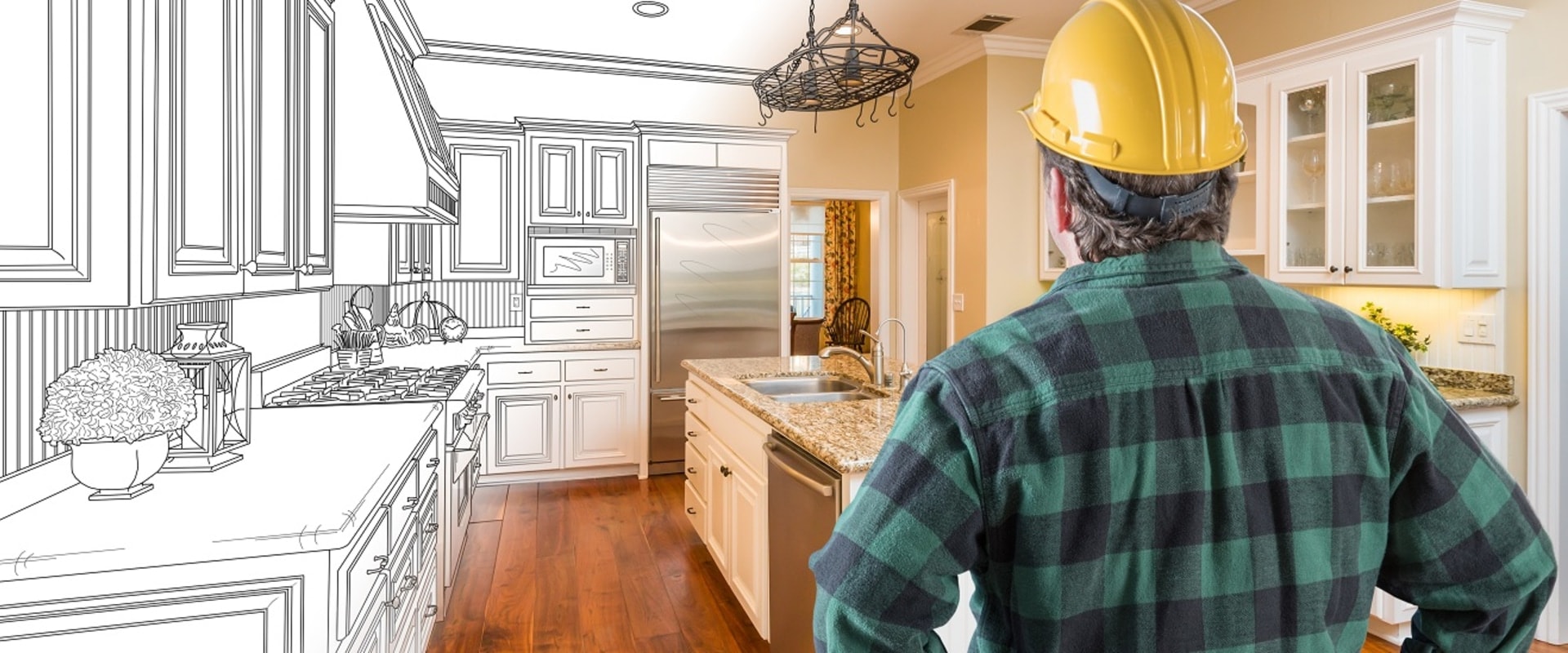
When embarking on a home improvement project, the first step is to thoroughly understand your specific needs. This involves assessing the areas of your home that require attention and determining what improvements will enhance both functionality and aesthetics. Whether you are looking to remodel a kitchen, add a bathroom, or simply refresh your living space, having a clear vision of your goals is essential. Take the time to list out your priorities and consider how each improvement aligns with your lifestyle and budget. Defining the scope of your project is equally important.
This means identifying the extent of the work required and whether it involves minor repairs or major renovations. For instance, if you are planning a kitchen remodel, will it include new cabinetry, countertops, and appliances, or just a fresh coat of paint? Understanding the full scope will not only help you communicate effectively with potential contractors but also assist in setting realistic timelines and budgets. Additionally, familiarize yourself with the different types of contractors available for your project. General contractors can manage all aspects of a renovation, while specialized contractors focus on specific tasks such as plumbing or electrical work. Knowing which type of contractor suits your needs will streamline the hiring process and ensure that you find someone with the right expertise for your home improvement goals.
Researching Potential Contractors
Finding a reliable contractor for your home improvement project is crucial to ensure quality work and peace of mind.Here are some effective methods to research potential contractors:
- Online Platforms: Websites like Angie's List, HomeAdvisor, and Thumbtack provide extensive listings of contractors along with ratings and reviews. These platforms allow you to filter contractors based on your specific needs, such as location and type of service.
- Contractor Reviews: Reading reviews from previous clients can give you insight into a contractor's reliability and quality of work. Look for patterns in the feedback—consistent praise or complaints can be telling. Pay attention to how contractors respond to negative reviews, as this can indicate their professionalism.
- Referrals: Ask friends, family, or neighbors for recommendations.
Personal referrals often lead to trustworthy contractors who have proven their skills in real-life projects. Don’t hesitate to ask about their experiences, including timelines, costs, and overall satisfaction.
- Social Media and Forums: Platforms like Facebook, Reddit, or local community groups can be valuable resources for finding contractors. You can post inquiries or search for discussions related to home improvement projects in your area.
Additionally, consider scheduling interviews with your top choices to discuss your project in detail and gauge their communication skills.By utilizing these research methods, you can confidently narrow down your options and select a contractor who aligns with your vision for your home improvement project.
Evaluating Contractor Credentials and Experience
When embarking on a home improvement project, evaluating a contractor's credentials and experience is crucial to ensure you hire a qualified professional. Here are some key factors to consider:- Licensing: Verify that the contractor holds the necessary licenses required by your state or local government. A valid license indicates that the contractor has met specific standards and regulations in the industry.
- Insurance: Ensure that the contractor carries both liability insurance and workers' compensation insurance. This protects you from potential liabilities in case of accidents or damages during the project.
- Experience: Look for contractors with a proven track record in home improvement.
Ask about their experience with projects similar to yours, as this can provide insight into their expertise and ability to handle your specific needs.
- References: Request references from previous clients. Speaking with past customers can give you a clearer picture of the contractor's work ethic, reliability, and quality of work.
- Portfolio: Review the contractor's portfolio of completed projects. This visual evidence can help you assess their style and craftsmanship, ensuring it aligns with your vision for your home improvement project.
Getting Quotes and Estimates
Obtaining quotes and estimates from contractors is a crucial step in managing the financial aspect of your home improvement project.Here’s how to navigate this process effectively:
1.Requesting Quotes
Start by reaching out to multiple contractors to request detailed quotes. When doing so, provide them with as much information as possible about your project, including:- The scope of work
- Your budget
- Desired materials and finishes
- Timeline for completion
2.Understanding Estimates
When you receive the estimates, pay close attention to the breakdown of costs. A comprehensive estimate should include:- Labor costs: The amount charged for the contractor's work.
- Material costs: The price of all materials needed for the project.
- Permits and fees: Any necessary legal requirements that may incur additional costs.
- Contingency funds: A buffer for unexpected expenses that may arise during the project.
3.Comparing Estimates
Once you have gathered several estimates, it’s time to compare them. Here are some tips for effective comparison:- Look beyond the total cost: A lower price may not always mean a better deal.
Evaluate the quality of materials and the contractor's reputation.
- Check for inclusions: Ensure that all estimates cover the same scope of work and include similar details to make an accurate comparison.
- Ask questions: Don’t hesitate to reach out to contractors for clarification on any part of their estimate that seems unclear or incomplete.
Interviewing Potential Contractors
When it comes to home improvement projects, interviewing potential contractors is a crucial step in ensuring you find the right fit for your needs. A well-conducted interview can reveal not only the contractor's qualifications but also their communication style and reliability.Prepare Your Questions
- Experience and Expertise: Ask about their experience with similar projects. "How many home improvement projects like mine have you completed?"
- Licensing and Insurance: Verify that they are licensed and insured. Inquire, "Can you provide proof of your license and insurance?"
- References: Request references from past clients.
A good question is, "Can you provide contact information for previous clients?"
- Project Timeline: Discuss the expected timeline. Ask, "What is your estimated timeline for completing this project?"
- Budget and Payment: Clarify costs upfront. You might say, "Can you provide a detailed estimate and payment schedule?"
Assessing Communication Skills
Effective communication is key to a successful working relationship. Pay attention to how the contractor responds to your questions.
Are they clear and concise? Do they listen to your concerns? A contractor who communicates well will likely keep you informed throughout the project.
Follow-Up Questions
After discussing the basics, consider asking follow-up questions to gauge their problem-solving abilities:
- Handling Issues: "How do you handle unexpected challenges during a project?"
- Subcontractors: "Will you be using subcontractors, and if so, how do you vet them?"
- Change Orders: "What is your process for handling change orders or modifications to the original plan?"
Checking References and Past Work
When embarking on a home improvement project, one of the most critical steps is to thoroughly check a contractor's references and past work. This process not only helps you gauge the contractor's reliability but also provides insight into the quality of their work.Why Checking References Matters
References serve as a direct line to previous clients who have experienced the contractor's services firsthand. When contacting references, consider asking the following questions:
- Were you satisfied with the quality of work?
- Did the contractor meet deadlines and stay within budget?
- How did the contractor handle any issues that arose during the project?
- Would you hire this contractor again for future projects?
Reviewing Past Projects
In addition to speaking with references, reviewing a contractor's past projects is essential. Most reputable contractors will have a portfolio showcasing their work.
Look for:
- Diversity of Projects: A good contractor should have experience in various types of home improvement projects, from kitchen remodels to outdoor renovations.
- Quality of Work: Pay attention to the details in their portfolio. High-quality finishes and craftsmanship are indicators of a skilled contractor.
- Client Testimonials: Look for reviews or testimonials from previous clients. Positive feedback can provide reassurance about your choice.
Final Thoughts
Taking the time to check references and review past work is an investment in your project's success. By ensuring that your chosen contractor has a proven track record, you can move forward with confidence, knowing that your home improvement project is in capable hands.
Understanding Contracts and Agreements
When embarking on a home improvement project, understanding the contracts and agreements with your contractor is crucial.A well-drafted contract not only outlines the scope of work but also protects your interests throughout the project.
Key Components of a Contractor Agreement
- Scope of Work: This section details what tasks the contractor will perform, including specific materials and methods to be used. Clarity here helps prevent misunderstandings later.
- Payment Terms: Understand how much you will pay, when payments are due, and what triggers each payment. This could include deposits, progress payments, and final payments upon completion.
- Timeline: A clear timeline for project completion is essential. This should include start and end dates, as well as milestones for different phases of the project.
- Change Orders: Changes to the original plan can happen.
Ensure your contract includes a process for handling change orders, including how they will affect costs and timelines.
- Liability and Insurance: Verify that your contractor has adequate insurance coverage. The contract should specify who is responsible for damages or injuries that occur during the project.
- Warranties: Look for warranties on both labor and materials. This section should outline what is covered and for how long.
Understanding Contract Terms
Familiarize yourself with common terms used in contracts. For instance, terms like "indemnification" refer to protecting one party from legal liability caused by another party's actions.
Knowing these terms can help you navigate discussions with your contractor more effectively.Before signing any agreement, take the time to read through the entire document carefully. If anything is unclear, don’t hesitate to ask questions or seek clarification. It’s also wise to consult with a legal professional if you have concerns about specific clauses or terms.In summary, a thorough understanding of your contractor's agreement is vital for a successful home improvement project. By paying attention to these key components and terms, you can safeguard your investment and ensure a smoother renovation experience.
Red Flags to Watch Out For When Hiring a Contractor
When embarking on a home improvement project, it’s essential to be vigilant about the contractors you consider hiring.Recognizing red flags can save you from potential headaches and financial loss. Here are some common warning signs to watch out for:
- Lack of Licensing and Insurance: A reputable contractor should have the necessary licenses and insurance. If they cannot provide proof, it’s a significant red flag.
- Unusually Low Estimates: If a contractor offers a bid that is significantly lower than others, it may indicate they are cutting corners or using subpar materials.
- Poor Communication: If a contractor is hard to reach or does not respond promptly to your inquiries, this could signal future communication issues during the project.
- No References or Reviews: A reliable contractor should be able to provide references or have positive online reviews. If they cannot, consider it a warning sign.
- Pressure Tactics: Be wary of contractors who pressure you into making quick decisions or signing contracts without giving you time to review them thoroughly.
- Vague Contracts: A contract should clearly outline the scope of work, materials used, and payment terms.
If a contractor provides a vague or incomplete contract, it’s best to look elsewhere.
Maintaining Communication During the Project
Effective communication with your contractor is crucial for the success of your home improvement project. From the initial consultation to the final walkthrough, maintaining an open line of communication can help ensure that your vision is realized and that any potential issues are addressed promptly.Establishing Communication Channels
- Before the project begins, discuss and agree on the best methods for communication. This could include phone calls, emails, or even messaging apps.
- Set regular check-in times to discuss progress, challenges, and any changes that may arise.
Requesting Project Updates
It’s important to stay informed about the status of your project.
Regular updates can help you manage your expectations and make informed decisions. Here are some tips:
- Ask your contractor how often they will provide updates and in what format.
- Encourage them to share photos or videos of the work in progress, which can help you visualize the changes being made.
- If there are delays or unexpected issues, request immediate communication so you can adjust your plans accordingly.
Managing Expectations
Clear communication helps in managing expectations on both sides. Here’s how to ensure everyone is on the same page:
- Discuss timelines and deadlines upfront, and be realistic about what can be achieved within those timeframes.
- If changes to the original plan are necessary, communicate these as soon as possible to avoid misunderstandings.
- Be open to feedback from your contractor; they may have valuable insights that can enhance your project.
Conclusion: Making an Informed Decision for Your Home Improvement Project
In conclusion, finding a reliable contractor for your home improvement project is a critical step that can significantly impact the outcome of your renovations.By following a systematic approach, you can ensure that you make an informed decision that aligns with your vision and budget. Start by clearly defining your project goals and budget. This will not only help you communicate effectively with potential contractors but also allow you to gauge their understanding of your needs. Once you have a clear scope, consider the following steps:
- Research: Utilize online resources, local directories, and social media platforms to compile a list of potential contractors. Pay attention to their portfolios and customer reviews.
- Interviews: Schedule interviews with at least three contractors.
Ask about their experience, previous projects, and how they handle challenges. This will give you insight into their professionalism and expertise.
- References: Request references from past clients. Speaking directly with previous customers can provide valuable information about the contractor's reliability and quality of work.
- Licensing and Insurance: Verify that the contractor holds the necessary licenses and insurance. This protects you from liability in case of accidents or damages during the project.
- Written Estimates: Obtain detailed written estimates from each contractor.
This should include a breakdown of costs, timelines, and payment schedules to avoid any surprises later on.