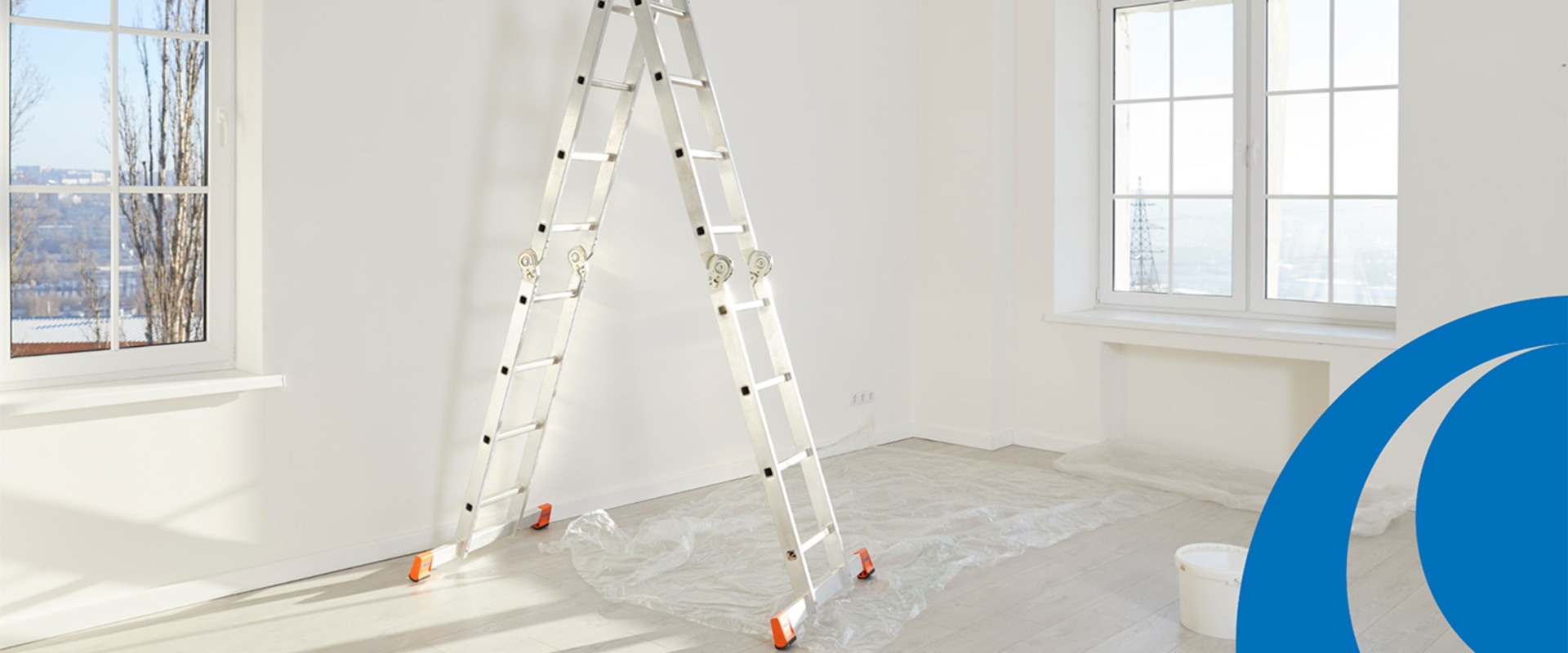
When embarking on a home improvement project, the excitement of transforming your living space can often overshadow the critical aspect of safety. Understanding the importance of safety in these endeavors is paramount, as it not only protects you but also ensures that your project progresses smoothly. Home renovations can involve various risks, from handling heavy materials to using power tools, making it essential to prioritize safety measures to prevent accidents and injuries. Every year, countless individuals face injuries during DIY projects due to a lack of awareness regarding home improvement safety. Whether you are painting a room, installing new flooring, or undertaking a complete remodel, the potential hazards are numerous.
By recognizing these risks and implementing appropriate safety precautions, you can significantly reduce the likelihood of mishaps. This proactive approach not only safeguards your well-being but also enhances the overall success of your project. Moreover, fostering a culture of safety during home renovations encourages a more organized and efficient work environment. When you take the time to plan for safety, you create a space where creativity can flourish without the looming threat of accidents. In this article, we will delve deeper into specific safety precautions that should be taken during home improvement projects, ensuring that your journey toward a beautiful home is both enjoyable and secure.
Planning Your Home Improvement Project Safely
Before diving into any home improvement project, it is crucial to prioritize safety through meticulous planning.A well-thought-out plan not only enhances the efficiency of your project but also significantly reduces the risk of accidents and injuries.Start by conducting a thorough assessment of the area where you plan to work. Identify potential hazards such as:
- Electrical wiring that may be exposed or damaged
- Uneven surfaces that could lead to trips and falls
- Heavy materials that require proper lifting techniques
- Inadequate ventilation when using paints or solvents
- Personal Protective Equipment (PPE): Ensure you have the necessary gear, such as gloves, goggles, and masks.
- Tool Safety: Inspect all tools for functionality and safety features before use.
- Work Area Preparation: Clear the workspace of clutter and ensure adequate lighting.
- Emergency Procedures: Have a plan in place for emergencies, including first aid kits and emergency contact numbers.
Essential Personal Protective Equipment (PPE)
When embarking on a home improvement project, ensuring your safety should be a top priority.One of the most effective ways to protect yourself is by using the appropriate personal protective equipment (PPE). This gear is designed to minimize risks associated with various tasks, from demolition to painting.
- Safety Glasses: Protect your eyes from dust, debris, and harmful chemicals. Safety glasses should be worn at all times when working with power tools or during activities that may produce flying particles.
- Hearing Protection: If your project involves loud machinery, such as saws or drills, consider using earplugs or earmuffs to prevent hearing damage.
- Respirators: For projects that generate dust or involve toxic fumes, such as sanding or painting, a respirator can help filter out harmful particles and vapors.
- Gloves: Depending on the materials you are handling, wearing gloves can protect your hands from cuts, abrasions, and chemical exposure. Choose gloves that are appropriate for the specific task at hand.
- Hard Hats: If you are working in an area where there is a risk of falling objects, wearing a hard hat can provide essential head protection.
- Steel-Toed Boots: These boots offer protection for your feet against heavy objects and provide better traction on slippery surfaces.
This ensures that you are easily seen by others, reducing the risk of accidents.Before starting any DIY project, take the time to assess the specific risks involved and equip yourself with the necessary safety gear. By prioritizing your safety with the right PPE, you can focus on completing your home improvement tasks effectively and confidently.
Safe Use of Tools and Equipment
When embarking on a home improvement project, the safe use of tools and equipment is paramount to ensure not only the success of your project but also your personal safety. Here are some essential tips for using both power tools and hand tools safely.General Tool Safety Tips
- Read the Manual: Always familiarize yourself with the manufacturer's instructions before using any tool. Understanding its features and limitations can prevent accidents.
- Inspect Tools: Before each use, check your tools for any signs of damage or wear.
Replace or repair any defective tools to avoid malfunctions.
- Wear Appropriate Safety Gear: Use safety goggles, gloves, and ear protection as needed. This gear is essential for protecting yourself from debris and noise.
Using Power Tools Safely
- Keep Your Workspace Clean: A cluttered workspace can lead to accidents. Ensure that your work area is organized and free from hazards.
- Use the Right Tool for the Job: Each power tool is designed for specific tasks. Using the wrong tool can lead to injury or damage to the material.
- Disconnect Power When Not in Use: Always unplug power tools when changing bits or making adjustments.
This simple step can prevent accidental starts.
Hand Tool Safety
- Maintain Sharp Edges: Dull blades require more force and can slip, leading to injuries. Regularly sharpen your hand tools to ensure they function properly.
- Use Tools as Intended: Avoid using hand tools for purposes they were not designed for, such as using a screwdriver as a chisel.
- Store Tools Properly: After use, store tools in a designated area where they are not likely to cause tripping hazards or be damaged.
Electrical Safety Precautions
When undertaking home improvement projects that involve electrical work, it is crucial to prioritize safety to prevent accidents and injuries. Here are some essential electrical safety precautions to consider:- Turn Off Power: Before starting any electrical work, ensure that the power is turned off at the circuit breaker.
Use a voltage tester to confirm that the wires are not live.
- Use Proper Tools: Always use tools that are rated for electrical work. Insulated tools can help prevent electric shock.
- Wear Protective Gear: Equip yourself with safety goggles and rubber-soled shoes to protect against potential electrical hazards.
- Check for Damaged Wires: Inspect all wires and cables for signs of wear or damage. Replace any frayed or broken wires before proceeding with your project.
- Follow Local Codes: Familiarize yourself with local building codes and regulations regarding electrical installations. This ensures compliance and enhances safety.
- Avoid Overloading Circuits: Be mindful of the load on each circuit.
Overloading can lead to overheating and potential fires.
- Use GFCI Outlets: Install Ground Fault Circuit Interrupter (GFCI) outlets in areas prone to moisture, such as kitchens and bathrooms, to reduce the risk of electric shock.
Handling Hazardous Materials Safely
When embarking on a home improvement project, it is crucial to be aware of the potential hazards associated with certain materials. Many common renovation tasks involve the use of hazardous materials such as paints, solvents, and even asbestos. Understanding how to identify and safely handle these substances can significantly reduce health risks.Identifying Hazardous Materials
- Paints and Solvents: Many paints and solvents contain volatile organic compounds (VOCs) that can be harmful when inhaled.
Always check labels for warnings and safety information.
- Asbestos: If your home was built before the 1980s, it may contain asbestos in insulation, flooring, or ceiling tiles. If you suspect its presence, consult a professional for testing.
- Cleaning Agents: Some cleaning products used during renovations can also be hazardous. Look for eco-friendly alternatives whenever possible.
Safe Handling Practices
- Personal Protective Equipment (PPE): Always wear appropriate PPE such as gloves, goggles, and masks when handling hazardous materials. This is essential for protecting your skin, eyes, and respiratory system.
- Ventilation: Ensure that your workspace is well-ventilated.
Open windows and use fans to circulate air when working with paints or solvents to minimize inhalation of fumes.
- Proper Storage: Store hazardous materials in a cool, dry place away from children and pets. Ensure containers are tightly sealed to prevent leaks or spills.
Disposal of Hazardous Materials
Disposing of hazardous materials improperly can pose serious environmental risks. Always follow local regulations for disposal. Many communities offer special collection days for hazardous waste, ensuring safe disposal methods.By taking these precautions during your home improvement projects, you can create a safer environment for yourself and your family while effectively managing the risks associated with hazardous materials.
Creating a Safe Work Environment
Creating a safe work environment is crucial for any home improvement project.A well-organized workspace not only enhances productivity but also minimizes the risk of accidents. Here are some essential tips to ensure your renovation space is safe:
- Clear the Area: Before starting any project, remove unnecessary items from the workspace. This includes furniture, decorations, and any other obstacles that could cause tripping hazards.
- Use Proper Lighting: Ensure that your workspace is well-lit. Poor lighting can lead to mistakes and accidents.
Consider using additional lamps or portable lights to illuminate dark corners.
- Organize Tools and Materials: Keep tools and materials organized and within reach. Use toolboxes, shelves, or pegboards to store items neatly. This reduces the likelihood of searching for tools in a cluttered area.
- Mark Hazardous Areas: If your project involves areas that may pose risks, such as stairs or uneven surfaces, mark these zones clearly with cones or tape to alert others.
- Wear Appropriate Safety Gear: Always wear safety gear such as gloves, goggles, and masks when necessary. This protects you from dust, debris, and potential injuries.
- Maintain a First Aid Kit: Keep a well-stocked first aid kit nearby.
In case of minor injuries, having supplies readily available can make a significant difference.
Emergency Preparedness During Home Improvement Projects
When embarking on a home improvement project, it’s crucial to prioritize emergency preparedness. Accidents can happen, and being ready can make all the difference. Here are some essential steps to ensure you are prepared for any unforeseen circumstances during your renovations.- Assemble a First Aid Kit: A well-stocked first aid kit is a must-have for any DIY enthusiast.
Ensure your kit includes:
- Adhesive bandages of various sizes
- Antiseptic wipes and ointments
- Gauze pads and medical tape
- Scissors and tweezers
- Pain relievers and any personal medications
- Know Basic First Aid: Familiarize yourself with basic first aid procedures. Knowing how to treat cuts, burns, or sprains can be invaluable. Consider taking a first aid course to enhance your skills.
- Create an Emergency Plan: Before starting your project, develop an emergency plan that includes:
- A designated meeting spot outside the home in case of evacuation
- A list of emergency contacts, including local emergency services
- Instructions for shutting off utilities like gas and water
- Communicate with Others: If you’re working with family or friends, ensure everyone is aware of the emergency plan. Regularly discuss safety protocols and remind each other of potential hazards.
- Stay Informed: Keep a phone or device nearby to access emergency information or call for help if needed.
Having a charged phone can be a lifesaver in critical situations.
Frequently Asked Questions About Home Improvement Safety
When embarking on a home improvement project, safety should always be a top priority. Here are some frequently asked questions regarding safety precautions that can help ensure a secure and successful renovation.What are the most common safety concerns during home improvement projects?
- Injury from tools: Improper use of tools can lead to cuts, bruises, or more severe injuries. Always read the manual and wear appropriate protective gear.
- Electrical hazards: Working with electricity can be dangerous.
Ensure that power is turned off before starting any electrical work and consider hiring a professional for complex tasks.
- Fall risks: Falls are a leading cause of injury in home renovations. Use ladders safely, and ensure that work areas are clear of clutter.
How can I protect myself from hazardous materials?
Many home improvement projects involve materials that can be harmful if not handled properly. Here are some tips:- Asbestos: If your home was built before 1980, it may contain asbestos. Have it tested and professionally removed if necessary.
- Lead paint: Homes built before 1978 may have lead-based paint.
Use lead-safe work practices or hire certified professionals for removal.
- Chemicals: Always read labels on paints, solvents, and adhesives. Use them in well-ventilated areas and wear masks when necessary.
What personal protective equipment (PPE) should I use?
Using the right PPE is crucial for safety during any DIY project. Consider the following:- Safety goggles: Protect your eyes from dust and debris.
- Gloves: Wear gloves to prevent cuts and chemical exposure.
- Dust masks or respirators: These are essential when sanding or working with hazardous materials.
Conclusion: Prioritizing Safety in Your Home Improvement Journey
In conclusion, prioritizing safety during your home improvement projects is not just a recommendation; it is a necessity. By implementing the safety precautions discussed throughout this article, you can significantly reduce the risk of accidents and injuries, ensuring a smoother and more enjoyable renovation experience. Remember to always assess your work environment before starting any project.This includes checking for potential hazards such as loose floorboards, inadequate lighting, or the presence of hazardous materials. Taking the time to prepare your workspace can prevent many common accidents. Additionally, using the right tools and protective gear is crucial. Whether it’s wearing safety goggles, gloves, or a hard hat, these items are designed to protect you from injuries that can occur during home improvement tasks. Make sure to familiarize yourself with the tools you are using and follow all manufacturer instructions. Moreover, don’t hesitate to seek help when needed.
Some projects may require specialized skills or additional manpower. Enlisting the help of professionals or experienced friends can not only enhance the quality of your work but also ensure that safety protocols are followed. Finally, always keep a first aid kit on hand and know how to use it. Accidents can happen even with the best precautions in place, so being prepared can make all the difference. By keeping these safety measures in mind, you can transform your living space while protecting yourself and those around you. Embrace the journey of home improvement, but do so with a commitment to safety as your top priority.