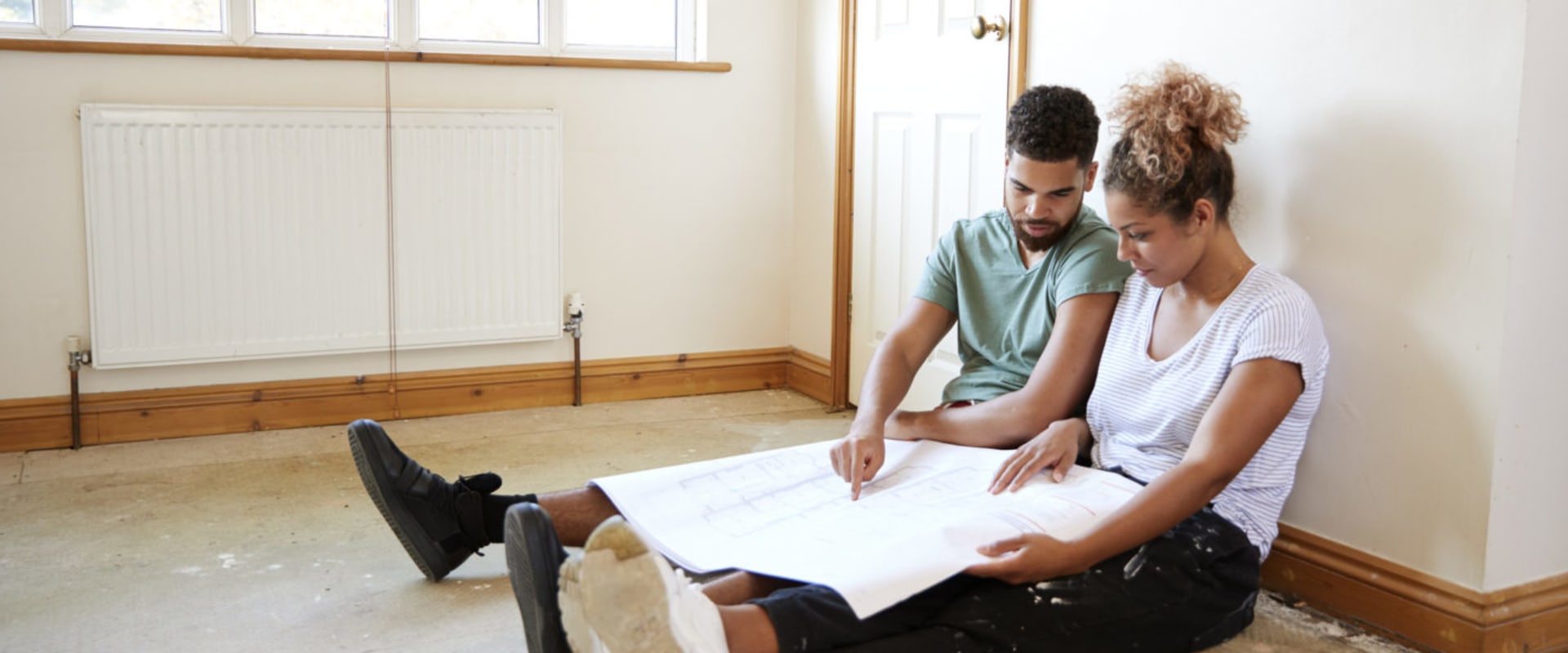
Home improvement is more than just a trend; it is a vital aspect of maintaining and enhancing the value of your home.
Home improvement
encompasses a wide range of projects, from minor repairs to major renovations, all aimed at improving the functionality, aesthetics, and overall comfort of your living space. Understanding what constitutes home improvement is essential for homeowners who wish to create a welcoming environment while also increasing their property’s market value. The importance of home improvement cannot be overstated. Regularly updating and maintaining your home not only ensures that it remains safe and functional but also reflects your personal style and preferences.Whether it’s upgrading outdated fixtures, enhancing energy efficiency, or expanding living spaces, each project contributes to a more enjoyable and efficient home. Moreover, well-executed improvements can significantly boost your home’s resale value, making it a wise investment for the future. As we delve deeper into the signs that indicate it might be time for a home improvement project, it’s crucial to recognize that these changes are not merely cosmetic. They often address underlying issues that could affect your home’s integrity and your family’s well-being. By being proactive about home improvement, you can ensure that your home remains a safe haven for years to come.
Signs Your Home Needs Improvement
Recognizing the right time for a home improvement project can save you from costly repairs down the line.Here are some key indicators that suggest your home may need attention:
- Visible Damage: Look for signs of wear and tear, such as peeling paint, cracked walls, or damaged roofing. These issues not only affect aesthetics but can also lead to more significant problems if left unaddressed.
- Increased Energy Bills: If you notice a sudden spike in your energy costs, it may be time to consider improvements. Drafty windows, poor insulation, or outdated heating and cooling systems can contribute to inefficiency.
- Outdated Design: If your home feels stuck in a different era, it might be time for a refresh. Modernizing your space can enhance both functionality and comfort.
- Safety Concerns: Issues like faulty wiring, leaky plumbing, or mold growth are serious red flags.
Addressing these problems promptly is crucial for the safety of your household.
- Space Constraints: If your family is growing or your lifestyle has changed, you may find that your current layout no longer meets your needs. Consider whether an addition or reconfiguration could improve your living space.
Common Issues Indicating Home Improvement Needs
Homeowners often face a variety of issues that signal the need for home improvement projects. Recognizing these signs early can save you time, money, and stress in the long run.Here are some common problems that indicate it might be time to consider renovations or repairs:
- Leaks and Water Damage: One of the most critical signs is the presence of leaks. Whether it's a dripping faucet, water stains on ceilings, or damp walls, these issues can lead to significant damage if not addressed promptly. Water intrusion can compromise the structural integrity of your home and promote mold growth.
- Cracks in Walls or Foundation: Cracks can appear in various places, including walls, ceilings, and foundations. While some minor cracks may be normal due to settling, larger or expanding cracks can indicate serious structural issues that require immediate attention.
- Outdated Features: If your home still has features from decades past—such as old appliances, outdated plumbing fixtures, or worn-out flooring—it may be time for an upgrade.
Not only do modern features enhance aesthetics, but they also improve energy efficiency and functionality.
- Poor Insulation: If you notice drafts or inconsistent temperatures throughout your home, it could be a sign that your insulation is inadequate. Improving insulation can lead to lower energy bills and a more comfortable living environment.
- Increased Utility Bills: A sudden spike in your utility bills can indicate inefficiencies in your home’s systems. This could be due to outdated heating and cooling systems or poor insulation, both of which may necessitate improvements.
- Safety Hazards: Issues such as exposed wiring, faulty smoke detectors, or uneven flooring can pose safety risks. Addressing these hazards not only protects your family but also enhances the overall value of your home.
Taking proactive steps will ensure that your home remains safe, functional, and enjoyable for years to come.
The Impact of Lifestyle Changes on Home Improvement Needs
As families evolve, so do their home improvement needs. Significant lifestyle changes can often signal that it’s time to reassess your living space. Here are some common scenarios where home renovations become essential:- Family Growth: Whether welcoming a new baby, adding a family member, or accommodating aging parents, an increase in household size often necessitates additional bedrooms or living areas. Expanding your home can enhance comfort and functionality.
- Work-from-Home Trends: The rise of remote work has transformed how we utilize our homes.
Many families find themselves needing dedicated office spaces to maintain productivity. Converting a spare room or even a corner of the living room into a functional workspace can significantly improve work-life balance.
- Changing Hobbies and Interests: As interests shift, so do the requirements for space. A growing interest in fitness may lead to the need for a home gym, while a newfound passion for cooking could inspire a kitchen remodel to accommodate new appliances and layouts.
- Empty Nest Syndrome: When children leave home, parents often reassess their living situation. This can lead to downsizing or renovating existing spaces to create more open areas for entertaining or relaxing.
By adapting your home to meet new needs, you not only enhance your living environment but also increase the overall value of your property.
Energy Efficiency and Home Improvements
When considering home improvement projects, one of the most telling signs that it’s time to take action is the energy efficiency of your home. If you notice that your energy bills are consistently higher than average, it may indicate that your home is not operating as efficiently as it could be. Here are some key indicators that suggest it’s time for an upgrade:- Drafts and Uneven Temperatures: If certain rooms in your home feel drafty or are significantly warmer or cooler than others, this could signal poor insulation or outdated windows. Upgrading to energy-efficient windows or adding insulation can help maintain a consistent temperature and reduce energy costs.
- Old Appliances: Appliances that are more than 10 years old often consume more energy than newer, energy-efficient models.
Consider replacing them with eco-friendly home improvements such as Energy Star-rated appliances, which can lead to substantial savings on your energy bills.
- High Utility Bills: A sudden spike in your utility bills can be a red flag. If you’ve not changed your usage habits, it might be time to evaluate your home’s energy efficiency and consider upgrades like smart thermostats or energy-efficient lighting.
- Inadequate Heating and Cooling: If your heating and cooling systems struggle to maintain comfort levels, they may be outdated or inefficient. Upgrading to a modern HVAC system can significantly improve energy efficiency and comfort.
As more buyers seek sustainable living options, having an energy-efficient home can make your property more attractive on the market.Ultimately, recognizing these signs early can lead to timely home improvement projects that enhance both comfort and sustainability.
Market Trends and Home Value Considerations
In today's dynamic real estate market, understanding market trends is crucial for homeowners considering home improvement projects. As property values fluctuate, certain renovations can significantly enhance a home's appeal and resale value.Current Real Estate Trends
- Increased Demand for Outdoor Spaces: With more people working from home, outdoor living areas have become a priority. Enhancements such as decks, patios, and landscaped gardens can attract buyers looking for functional outdoor spaces.
- Energy Efficiency: Homebuyers are increasingly prioritizing energy-efficient features. Upgrades like new windows, insulation, and energy-efficient appliances not only reduce utility bills but also make homes more attractive in the eyes of potential buyers.
- Smart Home Technology: The integration of smart home devices is on the rise.
Installing smart thermostats, security systems, and lighting can modernize a home and appeal to tech-savvy buyers.
Market-Driven Renovations
When considering home value improvements, it’s essential to focus on renovations that align with current buyer preferences. For instance:
- Kitchens and Bathrooms: These areas often yield the highest return on investment. Modernizing fixtures, cabinetry, and countertops can make a significant difference in attracting buyers.
- Curb Appeal: First impressions matter. Simple improvements like fresh paint, updated siding, or new landscaping can enhance curb appeal and increase property value.
- Open Floor Plans: Many buyers prefer open layouts that promote flow and space.
If feasible, consider removing non-structural walls to create a more inviting atmosphere.
Budgeting for Home Improvement Projects
When considering home improvement projects, effective budgeting is crucial to ensure that you not only complete the renovations but also maximize your return on investment. Here are some key strategies to help you budget wisely for your next project.- Assess Your Financial Situation: Before diving into any renovations, take a close look at your finances. Determine how much you can afford to spend without compromising your financial stability.
This includes evaluating your savings, income, and any existing debts.
- Research Costs: Understanding the cost of home improvements is essential. Research the average costs associated with the specific renovations you are considering. Websites like HomeAdvisor or Angie's List can provide valuable insights into typical expenses.
- Create a Detailed Budget: Once you have a clear understanding of potential costs, create a detailed budget that includes all aspects of the project. This should encompass materials, labor, permits, and unexpected expenses.
A good rule of thumb is to add an additional 10-20% to your budget for unforeseen costs.
- Prioritize Projects: If you're planning multiple renovations, prioritize them based on necessity and potential return on investment. Focus on projects that will enhance the value of your home, such as kitchen remodels or bathroom upgrades.
- Explore Financing Options: If your budget is tight, consider financing options such as home equity loans or personal loans. These can provide the necessary funds for larger projects while allowing you to pay them off over time.
By following these budgeting tips, you can ensure that your home improvement projects are not only successful but also financially sound.
DIY vs. Hiring Professionals: Making the Right Choice
When considering a home improvement project, one of the first decisions you'll face is whether to tackle the work yourself or hire a professional. Each option has its own set of advantages and disadvantages that can significantly impact the outcome of your project.Benefits of DIY Projects
- Cost Savings: One of the most appealing aspects of DIY is the potential for significant cost savings. By doing the work yourself, you can avoid labor costs associated with hiring a contractor.
- Personal Satisfaction: Completing a project on your own can provide a sense of accomplishment and pride in your home.
- Flexibility: DIY projects allow you to work at your own pace and schedule, making it easier to fit into your life.
When to Hire a Contractor
While DIY can be rewarding, there are certain situations where hiring a professional is advisable:- Complexity of the Project: If the project involves structural changes, electrical work, or plumbing, it’s often best to hire a licensed contractor who has the necessary expertise.
- Lack of Time: If your schedule is packed, hiring a professional can save you time and ensure that the project is completed efficiently.
- Quality Assurance: Professionals bring experience and skills that can lead to higher quality results, which may be worth the investment for certain projects.
Assessing these factors will help you make an informed choice that aligns with your goals for your home improvement endeavors.
Frequently Asked Questions About Home Improvement Projects
When considering home improvement projects, many homeowners have questions that can help guide their decisions. Here are some frequently asked questions that can provide clarity and direction.What are the most common types of home improvement projects?
Homeowners often engage in various types of home improvement projects, including:- Kitchen remodels: Upgrading appliances, cabinets, and countertops.
- Bathroom renovations: Updating fixtures, tiles, and layouts for better functionality.
- Exterior improvements: Enhancing curb appeal with landscaping, siding, or roofing.
- Energy efficiency upgrades: Installing new windows, insulation, or energy-efficient systems.
How do I know if I need a renovation?
Signs that it may be time for a renovation include:- Outdated features: If your home feels stuck in a past decade, it might be time for an update.
- Increased maintenance costs: Frequent repairs can indicate that a major renovation is more cost-effective.
- Lack of space: If your family is growing or your needs are changing, consider expanding or reconfiguring your space.
What should first-time renovators keep in mind?
If you're new to home improvement, here are some essential tips:- Create a budget: Determine how much you can afford to spend and stick to it.
- Research thoroughly: Understand the scope of your project and gather inspiration from various sources.
- Hire professionals wisely: If you're not DIY-savvy, choose reputable contractors with good reviews.
- Plan for the unexpected: Always set aside a contingency fund for unforeseen expenses during renovations.
Conclusion: Taking Action on Home Improvements
In conclusion, recognizing the signs that indicate it's time for a home improvement project is crucial for maintaining the value and comfort of your living space. Throughout this article, we have explored various indicators that suggest your home may need some attention, from visible wear and tear to changes in your lifestyle needs.As you reflect on your own home, consider the following key points:- Structural Issues: Cracks in walls, uneven floors, or leaks can signal serious problems that require immediate attention.
- Outdated Features: If your kitchen or bathroom feels stuck in the past, it might be time to modernize these spaces to enhance functionality and aesthetics.
- Energy Efficiency: High utility bills can indicate that your home is not energy-efficient. Upgrading insulation or windows can lead to significant savings.
- Changing Needs: As your family grows or changes, so do your space requirements.
Consider renovations that can accommodate these shifts.
- Curb Appeal: If the exterior of your home is looking tired or uninviting, simple improvements can boost both aesthetics and property value.